While presidential candidates campaign spending limit have been doubled from N5 billion to N10 billion, governorship candidates can now spend up to N3 billion in the amended electoral bill 2025
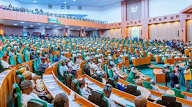
The House of Representatives has approved a significant increase in campaign spending limits for political candidates as part of the electoral bill 2025, a move aimed at reflecting current economic realities and enhancing the integrity of elections.
Under the amended clause 93(2-9), the maximum campaign expenses for presidential candidates have been doubled from N5 billion to N10 billion. Governorship candidates can now spend up to N3 billion, while senatorial and House of Representatives candidates’ limits have been raised from N100 million and N70 million to N500 million and N250 million respectively.
Similarly, campaign spending ceilings for State Houses of Assembly, chairmanship, and councillorship candidates were increased to N100 million, N60 million, and N10 million respectively.
The bill also stipulates that no individual or entity shall donate more than N500 million to any candidate, ensuring some control over campaign financing.
Beyond campaign finance, the House approved key transparency measures to enhance the credibility of elections. Clause 60(3) mandates the Independent National Electoral Commission (INEC) to electronically transmit election results from polling units directly to the INEC Result Viewing Portal (IREV) in real-time, alongside physical collation of results.
This simultaneous transmission aims to strengthen safeguards against result manipulation.
The bill further empowers the use of electronically generated voter identification, including downloadable voter cards with unique QR codes or any INEC-prescribed identification, for accreditation and voting.
To deter electoral malpractice, tougher penalties were approved. Under the amended clause 22(a and c), vote buying and selling now attract a minimum two-year jail term or a N5 million fine, or both, alongside a 10-year ban from contesting elections — a significant increase from the previous maximum penalty of N500,000 or two years imprisonment.
For presiding officers who deliberately breach result procedures, a new section 60(6) imposes a minimum fine of N500,000 or six months imprisonment, or both.
The bill also mandates the release of election funds to INEC at least one year before general elections to facilitate timely planning.
In addition, the amended clause 12(3) imposes harsher penalties for multiple voter registrations, with offenders facing at least one year imprisonment or a N100,000 fine.
Political parties have been given an extended deadline to submit candidates’ lists—from 180 to 210 days before elections—to allow INEC sufficient processing time.
However, a controversial clause 89(4), which proposed penalizing inducement of delegates during party primaries and conventions with a two-year jail term without option of fine, was dropped following concerns from lawmakers about potential entrapment.
Chairman of the House Committee on Electoral Matters, Rep. Adebayo Balogun, described the Electoral Act 2022 as one of Nigeria’s most progressive electoral laws and said the 2025 amendments are meant to consolidate its strengths and address gaps without undermining democratic stability.
Balogun said:
“The House, sitting as a Committee of the Whole, resolved to proceed by amendment rather than repeal, reflecting the maturity of our democracy and responsibility to legislate inclusively and with broad consensus. While some innovations were deferred, they remain part of ongoing electoral reform discourse to be revisited in the future.“
He reaffirmed the House’s commitment to credible elections, democratic stability, and continuous electoral law improvement.