Executive Chairman of the FRC, Victor Muruako, and the CEO of OrderPaper, Oke Epia, highlighted critical gaps in the petroleum sector fiscal governance provisions of the PIA 2021, called for the advancement of the amendment FRA 2007, bill stalled at second reading at the National Assembly

The Fiscal Responsibility Commission (FRC), in collaboration with OrderPaper Nigeria, has renewed its call for amendments to the Fiscal Responsibility Act (FRA) 2007 to strengthen public finance management and deepen transparency in Nigeria’s upstream petroleum sector.
The piece of legislation sponsored by the Deputy Speaker, Rep. Benjamin Kalu and six others, which is before the House of Representatives, has passed second reading and presently at the committee level.
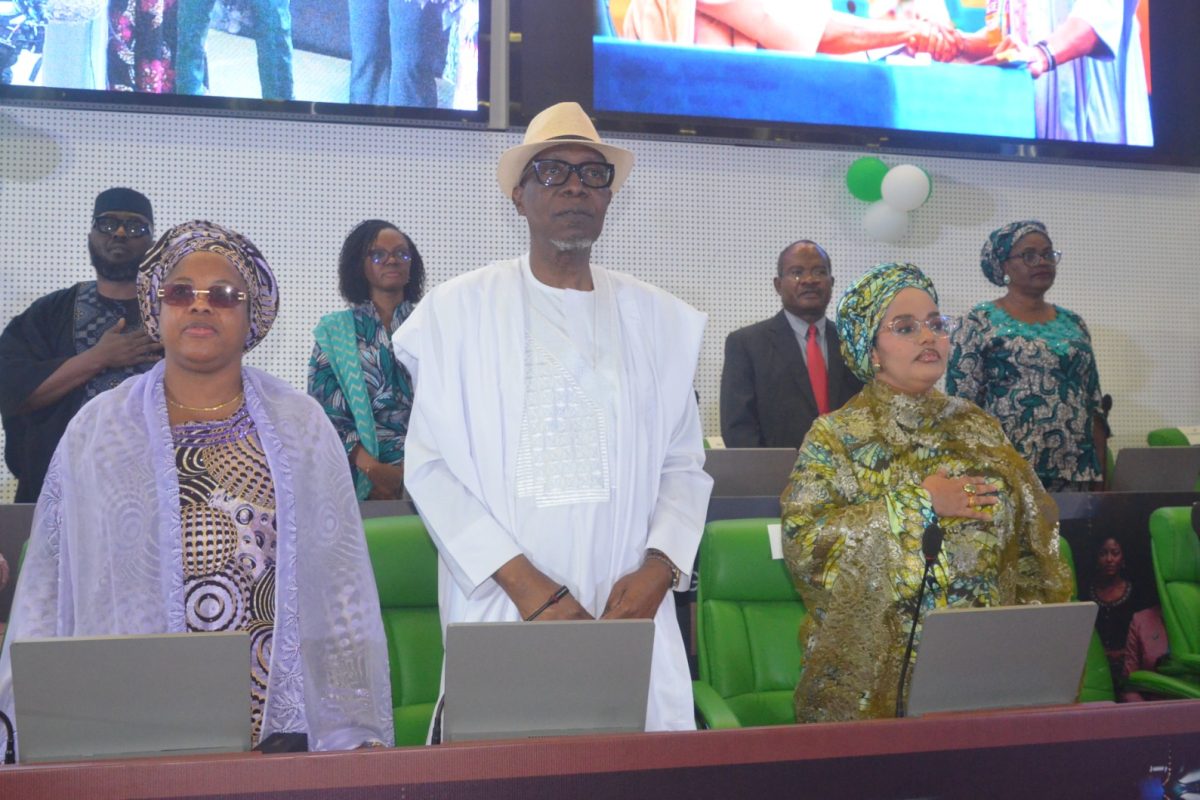
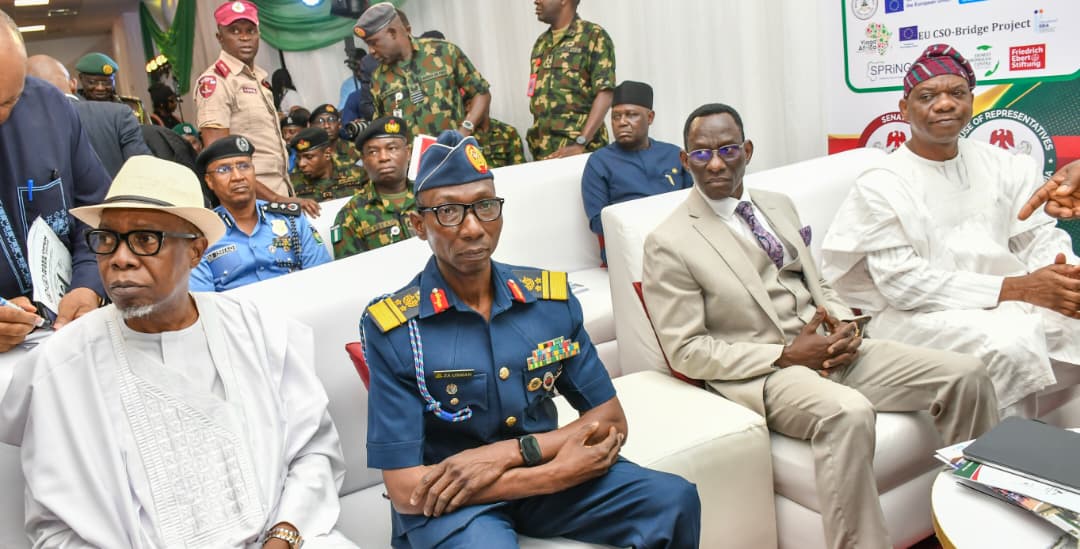
The advocacy came on Monday at a one-day Legislative Stakeholders Workshop in Abuja themed “Synergy for a Transparent and Accountable Upstream Petroleum Sector.”
The workshop brought together lawmakers, policy makers, industry experts and civil society organisations. The event also features the unveiling of a policy brief document put together by FRC and OrderPaper Nigeria.
Muruako, said the forum marked “a significant and timely milestone” in the collective pursuit of improved openness and accountability in the oil and gas industry, which he described as “the backbone of our national economy.”
Speaking to journalists on the sidelines of the event, Muruako lamented loopholes in the existing law, stressing the urgent need for legislative action.
“We’ve said it again and again—the Fiscal Responsibility Commission came up as a child of necessity,” he stated. “But you can’t have a law that has 53 offences without one sanction. People will say we can use strategies like naming and shaming, and we’ve been doing that. But the law will always remain the law.”
According to him, strengthening the FRA would reinforce compliance, prudence and accountability in public finance management.
“Having operated that Act since 2007, we have observed a lot of challenges. This is like the fourth effort in this 10th Assembly trying to get the law amended,” he said. “The earlier we amend the Act and strengthen it, the better for our national economic survival.”
He added that timelines must be inserted into the law to ensure strict adherence to fiscal processes, including the presentation of the national budget.
“When must an officer do certain acts concerning the national fiscal life? If it’s not done, what happens? Somebody should be asked questions,” he noted.
In his remarks, the Chief Executive Officer of OrderPaper Nigeria, Oke Epia, said the engagement was designed to stimulate ongoing scrutiny of the PIA and its impact on fiscal transparency.
“We facilitated this workshop as an opportunity for stakeholders to continually engage on the implementation of the Petroleum Industry Act,” Epia said. “Four years down the line, it calls for some review.”
He noted that previous policy briefs identified provisions in the PIA that may impede fiscal responsibility, urging legislators to revisit pending amendments.
Epia expressed concern over delays in the legislative process:
“There is currently a bill before the House of Representatives. It has passed second reading and has been referred to the Committee on Finance. Why it has remained stuck, we do not know.”
He added that the bill’s importance is underscored by its sponsorship by the Deputy Speaker and 16 others, including the Majority Leader.
“It may have fallen through the cracks of the legislative mill,” he said. “But we call on the House of Representatives to bring up that bill, take it to a public hearing, and ensure it is passed by the 10th National Assembly.”