“Security is not something we discuss in the open market,” Senate President Akpabio tells Senator Ningi on sidelining the National Assembly in US airstrikes in Nigeria
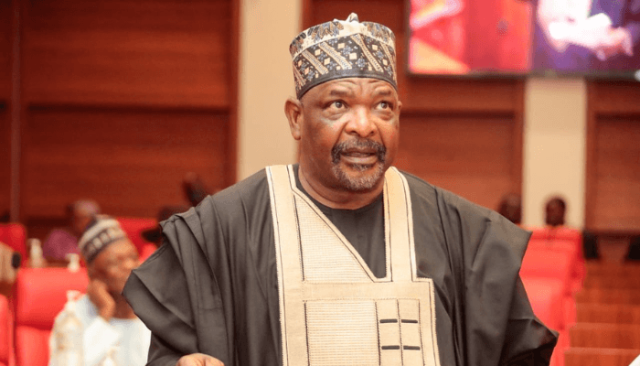
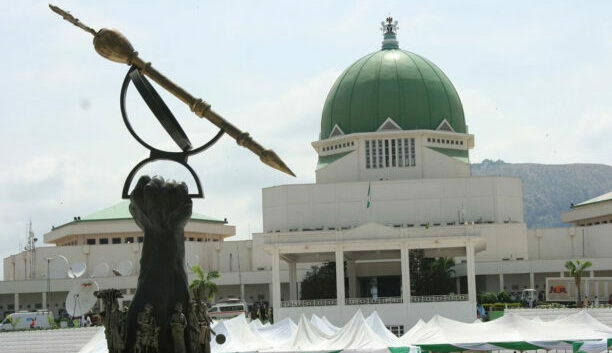
The Senate on Wednesday declined to open a public debate on the December 25, 2025, United States airstrikes targeting terrorist camps in Sokoto State.
This followed concerns raised by Senator Abdul Ningi regarding the National Assembly’s exclusion from discussions before the operation.
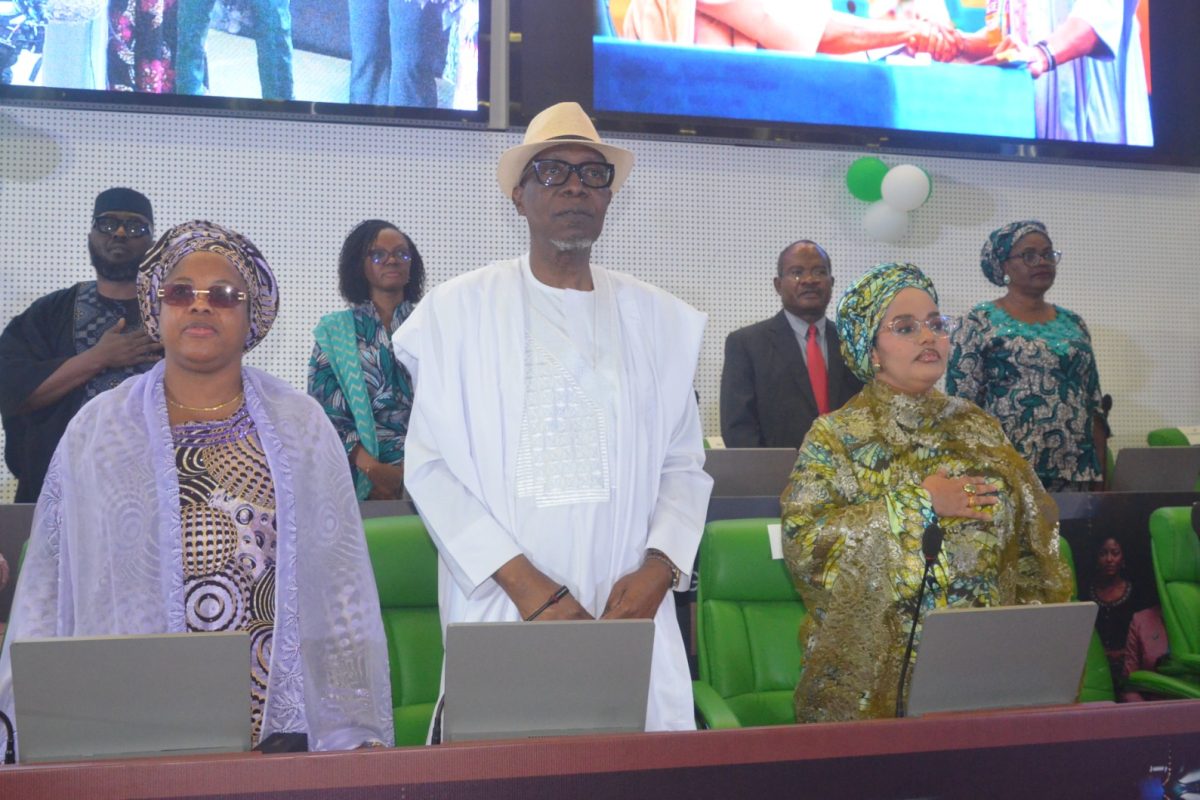
Senate President Godswill Akpabio ruled that the Senate’s privileges had not been violated and that matters involving national security should be handled in a closed session rather than open plenary.
Akpabio explained that lawmakers had already been briefed that the airstrike was conducted with the approval and cooperation of Nigerian security agencies. He assured senators that a comprehensive closed-door briefing would be scheduled to provide full details of the operation, emphasizing the importance of discretion in security issues.
“Security is not something we discuss in the open market,” Akpabio said, while commending Senator Ningi for raising the issue.
Consequently, the Senate deferred the matter pending the closed session briefing.
How It All Began
Senator Abdul Ningi, representing Bauchi Central, raised a Point of Order alleging a breach of Nigeria’s constitutional and legislative authority.
Speaking under matters of privilege, he reminded the Senate that the National Assembly derives its powers from the Legislative Houses (Powers and Privileges) Act and the 1999 Constitution (as amended).
Ningi stressed that legislative authority lies with the National Assembly, which is responsible for lawmaking to uphold peace, order, and governance. He expressed concern over reports that US military forces had conducted airstrikes on Nigerian soil, calling the action a violation of Nigeria’s sovereignty and a breach of the United Nations Charter.
He argued that the Constitution vests military action approval solely in the President of Nigeria as Commander-in-Chief, and even the President cannot constitutionally permit a foreign military to conduct strikes independently within Nigeria without legislative consultation and coordination with local security forces.
“The title of Commander-in-Chief is not ceremonial,” Senator Ningi said. “It carries real authority and responsibility. Nigeria is a sovereign nation, and its territorial integrity must be protected.”
He criticized the executive branch for a lack of transparency and insisted the National Assembly must be fully informed of all security actions involving foreign forces. Senator Ningi warned that sidelining the legislature in such critical decisions could set a dangerous precedent and undermine Nigeria’s sovereignty.
The US airstrikes followed an announcement by US President Donald Trump, who claimed responsibility for ordering the operation against Islamic State (ISIS) terrorists in northwestern Nigeria. On December 25, Trump posted on his Truth Social platform:
“At my direction as Commander in Chief, the United States launched a powerful and deadly strike against ISIS terrorist scum in Northwest Nigeria, who have been targeting and viciously killing, primarily, innocent Christians… Tonight, there was hell to pay.”
Corroborating the statement by President Trump, the Federal Government confirmed the strikes and said Nigeria supported the operation, which targeted terrorist strongholds.
However, controversy arose with reports that some missiles may have hit unintended locations in parts of Sokoto and Kwara states, and some areas reported no casualties.
The Senate awaits a detailed briefing from security agencies in a closed session to clarify the operation’s circumstances and implications for Nigeria’s sovereignty and legislative oversight.