The House of Representatives has passed the second reading of the 2026 Appropriation Bill, and adjourned for two weeks to allow for budget scrutiny
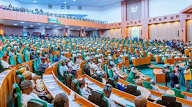
The House of Representatives on Thursday passed the ₦58.47 trillion 2026 Appropriation Bill for second reading, setting the stage for detailed legislative scrutiny of the proposal.
The budget, anchored on macroeconomic stability, improved security, and increased investment in capital projects, was first presented to a joint sitting of the National Assembly by President Bola Tinubu on December 19, 2025.
The general principles of the Appropriation bill Tagged “The Budget of Consolidation, Renewed Resilience and Shared Prosperity,” was presented by the House Leader, Rep. Julius Ihonvbere.
Ihonvbere said President Tinubu assumed office at a particularly challenging period for the country, noting that while the ongoing reforms have come with short-term pains and inconveniences, they are necessary to achieve long-term economic stability.
“Development that is not sustainable is not development at all,” he said, expressing confidence that the reforms would ultimately deliver broad-based and enduring prosperity.
He urged lawmakers to support the Appropriation Bill, citing positive economic projections for 2026, including a 3.98 per cent growth rate, a decline in inflation to 14.45 per cent from about 25 per cent, improved revenue performance, rising exports, and increased foreign direct investment.
According to him, the naira has stabilised at around ₦1,400 to the dollar from over ₦1,800, while Nigeria’s external reserves have risen to a seven-year high of approximately $47 billion, enough to cover more than 10 months of imports.
“We have not printed a single naira since this government came into office. That fiscal discipline has helped stabilise the economy,” Rep. Ihonvbere added.
The budget projects total revenue of ₦34.33 trillion against total expenditure of ₦58.18 trillion, resulting in a deficit of ₦23.85 trillion. Non-debt recurrent expenditure is estimated at ₦15.25 trillion, while capital expenditure is pegged at ₦26.08 trillion.
Ihonvbere described the spending framework as a significant shift from previous budgets, noting that capital expenditure now outweighs recurrent spending, which he said is critical for sustainable development.
The 2026 fiscal assumptions are based on an oil benchmark price of $64.85 per barrel and daily oil production of 1.84 million barrels.
Sectoral allocations prioritise security and defence with ₦5.41 trillion to address insecurity and food challenges. Infrastructure is allocated ₦3.56 trillion, education ₦3.54 trillion, and health ₦2.48 trillion.
Calling on lawmakers to diligently scrutinise the proposal, Ihonvbere said, “We are not saying the government is perfect, but it is our duty, as representatives of 360 constituencies, to guide it to do the right things at all times.”
With no contributions from members during the debate, Speaker Tajudeen Abbas put the bill to a voice vote, and it was overwhelmingly approved for second reading.
The speaker subsequently announced a two-week recess to allow committees and members to work on the budget ahead of its passage when the House reconvenes on February 17, 2026.