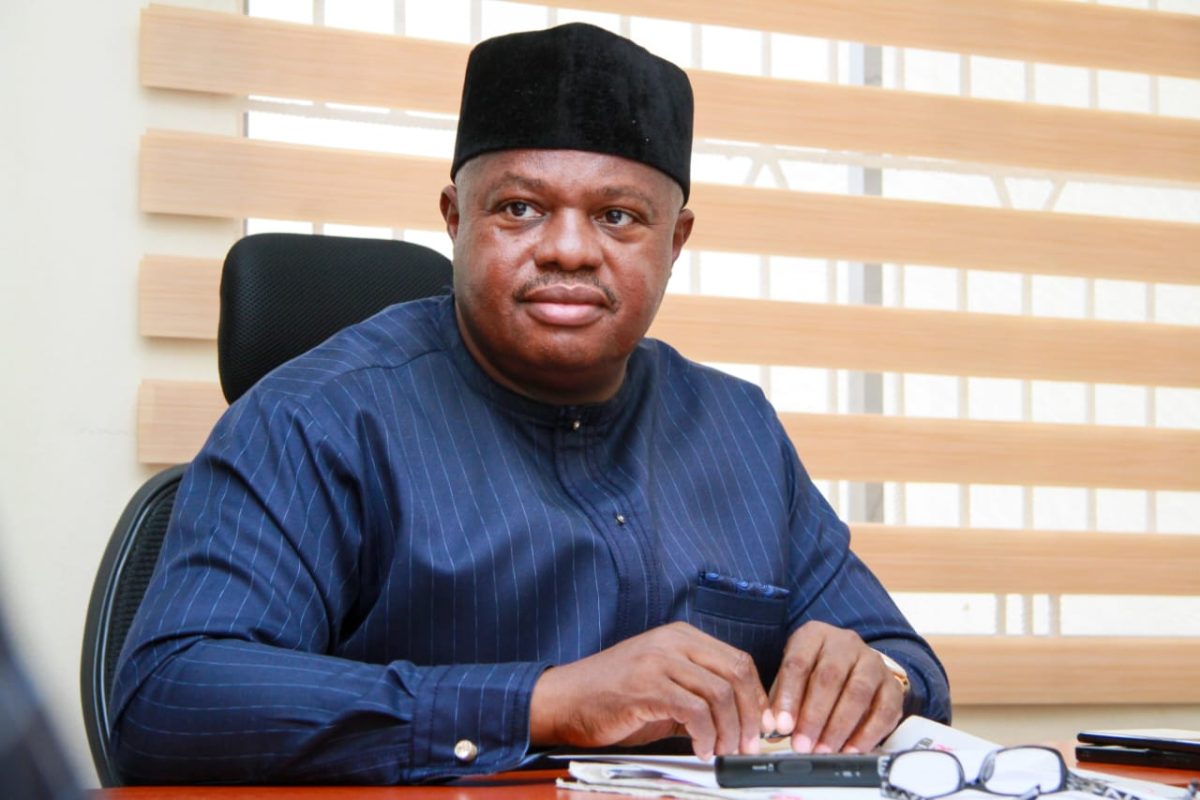
Daniel Bwala, Presidential Aide on Policy Communication, appeared on Mehdi Hasan’s Al Jazeera show, armed with nothing but bravado, selective memory, and the audacity of someone who believes talking loudly counts as arguing
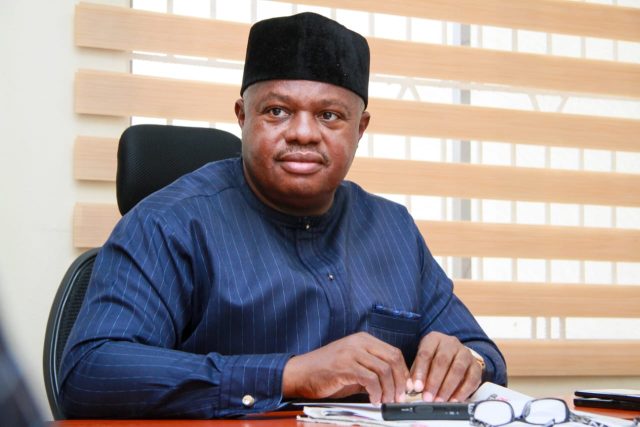
Recently, Nigerians, and anyone with a sense of embarrassment, were treated to a spectacle of monumental proportions. Daniel Bwala, Presidential Aide on Policy Communication, appeared on Mehdi Hasan’s Al Jazeera show, armed with nothing but bravado, selective memory, and the audacity of someone who believes talking loudly counts as arguing. What unfolded was less “defending government policy” and more “national humiliation live on air.”
From the first question, it was clear: Bwala had prepared for everything… except reality. His statements flew faster than a Nollywood plot twist, contradicting his own past positions with the speed and consistency of a Super Eagles striker dribbling the wrong way on the pitch. He leaned on denial like a security blanket: “I never said that,” he repeated, as if repetition could rewrite history. Nigerians watching didn’t just facepalm, we experienced collective second-hand shame.
Social media erupted. X users had a field day: “Even my goat could defend government policy better,” wrote one. Reddit commenters compared him to a footballer who passes the ball straight to the opposition. Instagram and TikTok churned memes faster than Abuja churns press releases. By the end of the interview, Daniel Bwala was no longer a political aide, he was a national meme, a cautionary tale in human form. A lesson in how not to defend a President but more importantly, he became a metaphor for the dangers of unpreparedness.
And yet, the comedy didn’t stop there. Attempts at damage control from Abuja were even more absurd. Party loyalists insisted Bwala “does not officially speak for the government.” Really? When your aide is titled Presidential Aide on Policy Communication, and the world sees him fumbling facts on live television, you don’t get to wash your hands clean, you just add to the farce. Integrity, clarity, credibility: all left behind in the studio.
The interview’s climax arrived when Bwala claimed that Al Jazeera “never warned him they would challenge his past statements.” This is the political equivalent of a goalkeeper blaming the attacker for shooting the ball too hard, or a chef blaming the stove for a burnt pot. It’s not only shameless, it’s legendary audacity.
But Bwala’s performance is more than an isolated incident. It’s a window into the broader difficulty presidential aides face in defending policy in Nigeria. When the best argument your communication team can muster is denial, deflection, and the occasional phrase of bravado, what does that say about the policies themselves? If your aides look like clowns on global media, the problem is systemic, not individual.
For context, imagine this scenario in everyday life: you hire someone to defend your reputation in public. Instead, they stumble, contradict themselves, and leave your friends and colleagues shaking their heads. That’s exactly what happened here, except the “friends” were millions of viewers worldwide.
Daniel Bwala didn’t just fail to defend his principal, he failed in character, competence, and basic human dignity. He left the audience, and Nigerians at home, wondering: if the Presidential Aide cannot defend government policies, who can?
In football terms: the team is losing 7-0, the goalkeeper scores an own goal, and the coach is shouting from the sidelines, “It’s fine, he’s our designated player!” In Nollywood terms: the plot has collapsed, the hero has forgotten his lines, and the director is just praying for a commercial break.
And so, what lessons can be drawn from this episode? For one, preparation matters. Rehearsing talking points in Abuja studios does not equip you for a tough global interview. Second, integrity is non-negotiable. No amount of shouting or deflection can replace it. Third, and most painfully, shame is unavoidable, especially when millions witness your fumbling in real time.
Daniel Bwala’s appearance will be remembered not for the policies he failed to defend, but for the glaring absence of character, clarity, and competence. Without a doubt, this is by far the most embarrassing and mediocre tv appearance of a presidential aide in Nigeria’s history.
Clearly, this interview remains a masterclass in political self-sabotage, a cautionary tale for aides, officials, and anyone foolish enough to believe that titles can replace substance. Nigerians covered their faces in shame. The world laughed. And Daniel Bwala? He will be Googled by generations of students learning what not to do when defending a leader, how not to conduct yourself when appearing on global tv, the consequence of lack of preparation and the non-negotiable imperative of integrity in leadership.
Anthony Ubani wrote in from Abuja