The House of Representatives Committee on the South-South Development Commission (SSDC) has expressed concern over the prolonged gas leak in Bille Community, Degema Local Government Area of Rivers State
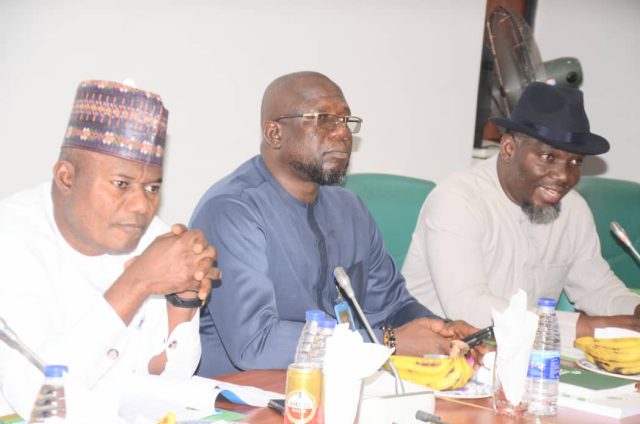
The House of Representatives Committee on the South-South Development Commission (SSDC) has expressed concern over the prolonged gas leak in Bille Community, Degema Local Government Area of Rivers State.
The committee described the situation as an environmental and humanitarian emergency that requires immediate intervention.
The committee warned that the continued leak poses serious health, environmental and economic risks to residents, lamenting that months after the incident was first reported, there has been little progress in containing the leak or providing adequate relief for the affected community.
The concerns were raised on Thursday during an interactive session at the National Assembly involving the National Oil Spill Detection and Response Agency (NOSDRA), the Nigerian Upstream Petroleum Regulatory Commission (NUPRC), the Nigerian National Petroleum Company Limited (NNPCL), the Rivers State Government, Degema Local Government Council and representatives of the Bille Community.
The meeting followed a motion calling for the immediate relocation of residents pending the containment of the gas leak, which NOSDRA confirmed remains active.
Chairman of the committee, Rep. Julius Pondi, said the engagement was convened to establish the facts surrounding the unusual incident and determine the appropriate legislative and regulatory response.
He noted that environmental disasters of such magnitude are particularly devastating to communities that depend on fishing, farming and other natural resources for survival.
“As representatives of the Nigerian people, we have a constitutional responsibility to ensure that operators in the oil and gas sector comply with existing laws, environmental regulations and international best practices, while ensuring host communities are protected from avoidable environmental and safety hazards,” Rep. Pondi said.
According to him, the committee intends to determine the immediate and remote causes of the gas leak, examine whether regulatory or operational failures occurred, assess the adequacy of the emergency response, and evaluate the impact of the disaster on public health, livelihoods and the environment.
He said lawmakers would also review the status of compensation, environmental remediation, ecological restoration, medical interventions and relief efforts for affected residents.
“Our responsibility is not to apportion blame without due process but to establish the facts, identify any operational or regulatory lapses, ensure accountability and recommend practical measures that will strengthen environmental governance and public safety,” he said.
Pondi added that the committee’s findings would inform legislative and policy recommendations aimed at preventing similar incidents while promoting sustainable development across the South-South region.
He stressed that, as Nigeria’s oil-producing hub, the South-South must benefit from environmentally responsible resource development that protects host communities.
Providing an update on the incident, NOSDRA Director, Cyrus Nkangwung disclosed that the gas leak, first reported on October 25, 2025, remains active.
He described the incident as highly unusual, explaining that the gas is naturally bubbling from beneath the ground rather than emanating from any known oil or gas facility.
According to him, the leak has contaminated water sources and disrupted farming, fishing and other economic activities in the community.
Nkangwung told lawmakers that the agency had written to President Bola Tinubu through the Minister of Environment in February 2026, requesting the release of about ₦3.4 billion to address the emergency.
He, however, acknowledged that investigators have yet to determine the exact source of the gas.
“This is not a normal occurrence in the oil industry. What we are witnessing is gas bubbling directly from the ground, and investigations are still ongoing to establish the source,” he said.
Also speaking, Rep. Dumnamene Dekor, who chairs the House Committee on Host Communities, criticised the slow response to the incident, noting that residents had continued to live under hazardous conditions nearly nine months after the leak was first reported.
He said it was unacceptable for oil-producing communities to continue bearing the burden of environmental disasters despite their significant contributions to the nation’s economy.
“Those who lay the golden eggs should not continue to suffer for producing the resources that sustain the entire country,” Rep. Dekor said, urging authorities to act swiftly to protect lives and restore the environment.
Representing the Nigerian Upstream Petroleum Regulatory Commission (NUPRC), Joseph Ogunsola described the Bille incident as unprecedented within Nigeria’s petroleum industry.
He explained that the unusual nature of the gas leak had made it difficult for experts to immediately determine its volume and source.
Ogunsola said the commission became aware of the incident in February 2026 and has since been working with relevant agencies and stakeholders to identify the origin of the leak and implement appropriate remedial measures.