Minister of Water Resources, heads of key water management agencies, and signatories to the 2005 concession agreement for the 40MW Dadin-Kowa hydropower project have been summoned to appear before House Committee December 4
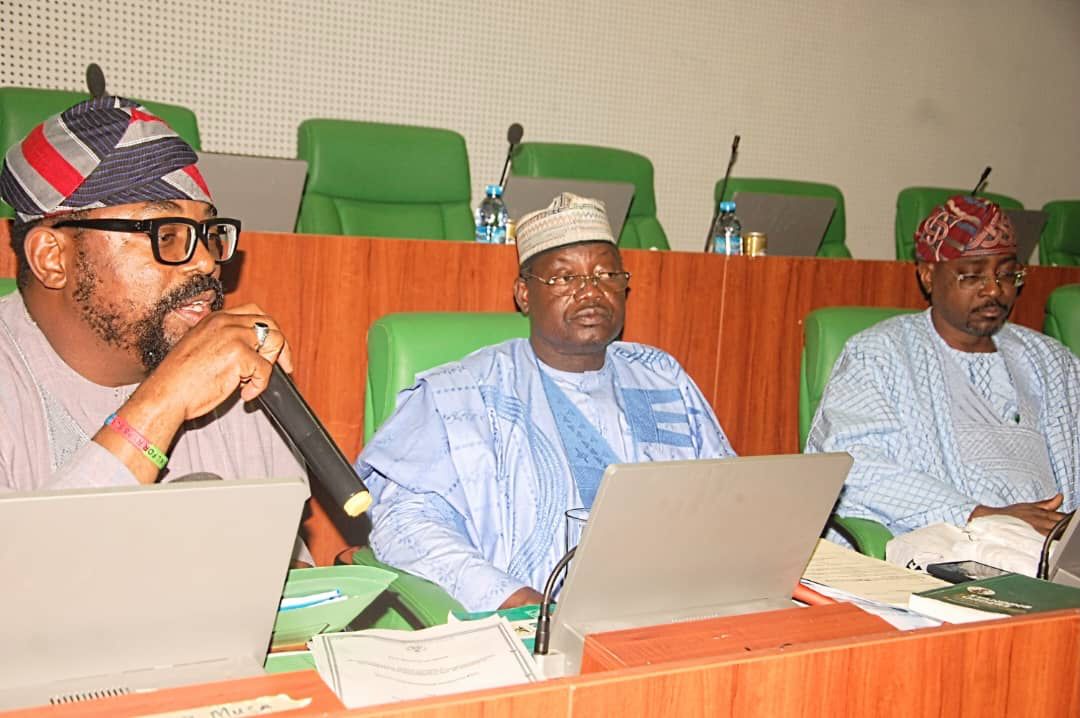
The Minister of Water Resources, heads of key water management agencies, and signatories to the 2005 concession agreement for the 40MW Dadin-Kowa hydropower project have been summoned by the House of Representatives Ad hoc Committee investigating Nigeria’s power sector reforms and expenditure from 2007 to 2024.
The Committee Chairman.Rep. Ibrahim Almustapha Aliyu, handed down the summons after a presentation by Mabon Generating Company, concessionaire of the Dadin-Kowa Hydropower Plant, revealed gaps, delays and inconsistencies that lawmakers described as unacceptable, during a hearing at the National Assembly.
Aliyu ordered the committee secretariat to summon the Minister alongside the Managing Director, Upper Benue River Basin Development Authority; the Managing Director, Hadejia–Jama’are River Basin Development Authority; the Chief Executive of the Nigeria Integrated Water Resources Management Commission; the Infrastructure Concession Regulatory Commission (ICRC), and the individual signatories to both the original concession and the subsequent addendum.
These officials are expected to appear before the committee on 4 December 2025.
Aliyu said the decision to summon all parties stemmed from troubling revelations about the 25-year Build-Operate-and-Transfer (BOT) concession, which has experienced prolonged delays, addendums, unclear responsibilities, and repeated administrative bottlenecks nearly two decades after it was signed.
He questioned the basis on which Mabon Generating Company accepted the project in 2005, noting that the company had inspected the facility and declared it fit for the planned 40MW output before later citing unforeseen technical and administrative challenges.
“From 2005 to date, 20 years have gone. You entered into an agreement after confirming the facility was fit. Now, midway, you suddenly realise there are challenges,” the chairman said, expressing concern over the level of due diligence conducted by both the concessionaire and supervising government agencies.
Aliyu added that the issues now confronting the project had taken “a multifaceted dimension,” raising concerns about whether government officials fulfilled their obligations and whether taxpayers were adequately protected under the long-term concession.
The committee also requested the full report of the appraisal committee that reviewed the initial concession and recommended the controversial addendum, along with all documents related to performance assessments, generation output, obligations, and payment gaps.
“When you appear, come with the report of the appraisal committee that led to the addendum,” Rep. Aliyu ordered.
In its presentation, Mabon Generating Company said it had supplied more than 700 million kilowatt-hours (kWh) of electricity to the national grid since 2021 and had never received grants or direct Federal Government loans since taking on the project in 2005.
The firm’s Chief Operating Officer, Umar Shehu Hashidu, who represented the Managing Director, said Mabon had submitted all requested documents — including the original 2005 concession agreement, the 2015 addendum, and relevant regulatory approvals — and remained committed to cooperating fully with the House investigation.
He reiterated that the Dadin-Kowa project operates under a BOT arrangement, under which Mabon is responsible for developing and running the hydropower facility before eventually handing it over to the Federal Government.
Meanwhile, the Special Adviser to the President on Energy, Olu Verheijen, said the ongoing Presidential Metering Initiative (PMI) aims to eliminate Nigeria’s seven-million-meter deficit and drastically reduce losses across the power sector, in line with President Bola Tinubu’s push to stabilise electricity nationwide.
Represented by the Director of the Presidential Metering Initiative, Obafemi Sotebo, Verheijen said the administration was committed to ending estimated billing, improving revenue assurance, and building a remotely auditable nationwide ecosystem of smart meters.
She explained that the PMI was launched after a diagnosis of the electricity market revealed that of Nigeria’s over 13 million customers, at least seven million were unmetered or relying on obsolete analogue meters — a gap she described as the root of the sector’s high Aggregate Technical, Commercial and Collection (ATC&C) losses.
According to her, closing the metering gap could reduce ATC&C losses from the current 45–50% to between 12–15%, which she said falls within globally acceptable standards