Speaker Abbas has called for an urgent reforms to Nigeria’s occupational safety laws, warning that Nigerian workers continue to suffer preventable injuries, illnesses, and deaths due to weak regulations and inadequate enforcement
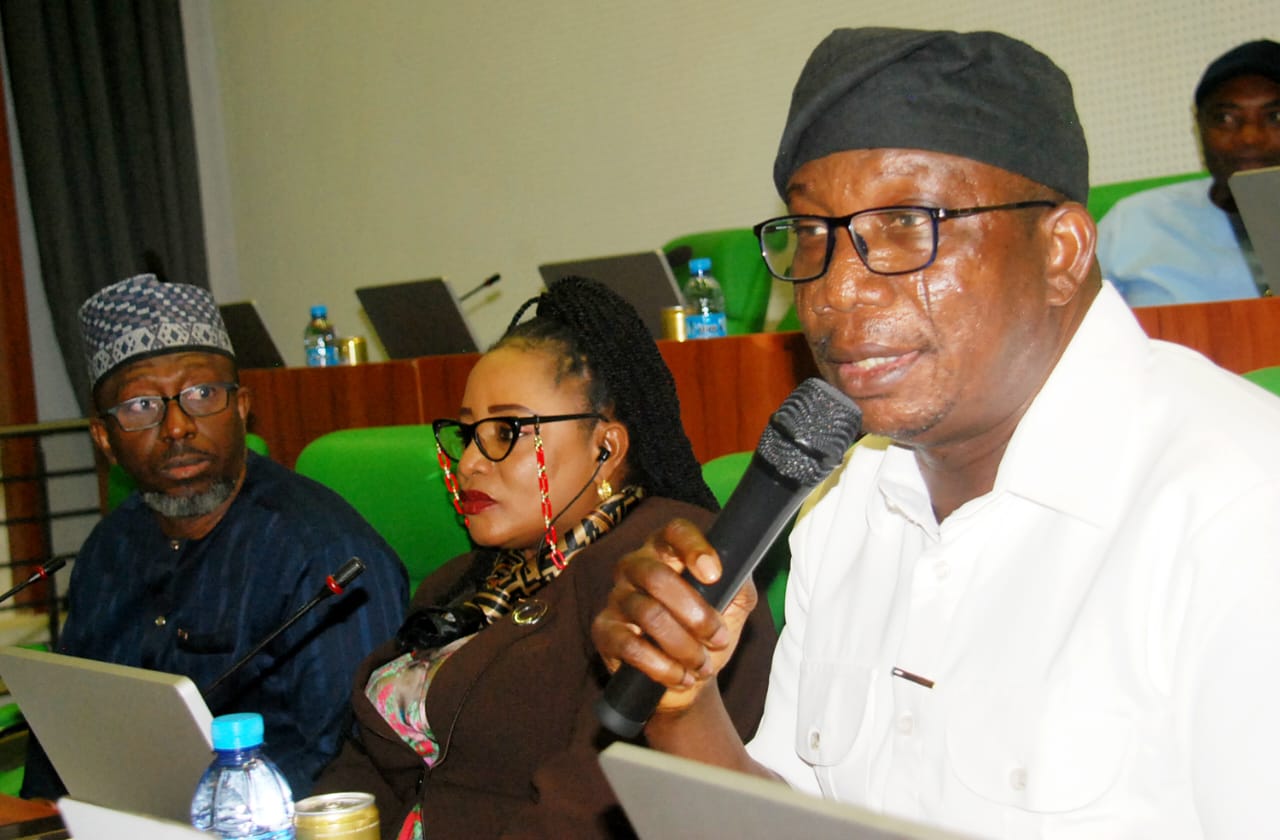
Speaker of the House of Representatives, Rep. Tajudeen Abbas, has called for urgent reforms to Nigeria’s occupational safety laws to protect millions of workers exposed to avoidable hazards in factories, construction sites, farms, hospitals, and other workplaces.
Represented by the Chairman of the House Committee on Justice, Rep. Olumide Osoba, Abbas made the call on Thursday while declaring open a public hearing on the Occupational Health and Safety Bill, 2025, organised by the House Committees on Safety Standards and Regulations and Labour, Employment and Productivity.
Abbas warned that Nigerian workers continue to suffer preventable injuries, illnesses, and deaths due to weak regulations and inadequate enforcement.
“Across several industries, workers still face hazards that undermine their dignity and productivity. Many of these tragedies are preventable,” he said.
He highlighted recurring dangers such as unsafe scaffolding, collapsing structures, harmful chemicals, toxic gases, offshore risks, and poorly maintained machinery—especially in construction, manufacturing, agriculture, and oil and gas.
According to him, the nation’s outdated regulatory framework has failed to keep pace with technological changes and modern workplace complexities.
“The current system suffers from outdated regulations, weak enforcement, and inadequate institutional frameworks. This bill seeks to close those gaps and establish a harmonised national safety architecture,” he explained.
He added that the proposed legislation also extends greater protection to informal sector workers, healthcare professionals, transport operators, and artisans who constitute the bulk of the workforce but remain least protected.
Abbas noted that improved workplace safety would boost productivity, reduce medical costs, minimise operational disruptions, and enhance investor confidence, ultimately strengthening national development.
He commended the Committee on Safety Standards and Regulations for its work and urged stakeholders to offer practical contributions: “This public hearing reflects our belief that effective laws emerge when the voices of industry experts, unions, professionals, and regulators are heard.”
Abbas reaffirmed the commitment of the House to passing a robust Occupational Health and Safety law.
Chairman of the House Committee on Safety Standards and Regulations, Rep. David Idris Zacharias, described the bill as a transformative milestone for Nigeria, marking a decisive shift from outdated safety laws.
“This is not just a legislative formality; it is a historic milestone for Nigeria,” he said. “After years of persistent advocacy from safety professionals, organised labour, industry leaders and concerned citizens, the Occupational Safety and Health Bill now stands before the public for consideration.”
Zacharias praised the joint committees and the Deputy Speaker, Rep. Benjamin Okezie Kalu—sponsor of the bill—for advancing the legislation.
The bill seeks to repeal the obsolete Factories Act of 2004 and replace it with a modern, science-driven framework aligned with international best practices and ILO conventions.
He said Nigerian workers continue to face widespread hazards, chemical exposure, unsafe machinery, building collapses, infectious diseases, transportation incidents, and ergonomic strain, often without adequate protection.
ALSO READ: Reps seek dedicated budget line for workplace safety in MDAs
The proposed law strengthens preventive mechanisms, clarifies employer obligations, and extends protections to vulnerable groups, especially informal workers.
He stressed that its impact would be felt across all major sectors.
“In manufacturing, clearer standards for hazard control and emergency preparedness will reduce injuries and downtime. In construction, where accident rates remain high, provisions for safe scaffolding, fall prevention and proper supervision will save lives. In oil and gas, the bill strengthens oversight and emergency procedures,” he said.
He added that the agricultural and healthcare sectors would also benefit from improved safety requirements, including better pesticide handling and biosafety standards.
For the first time, the bill provides a unified national safety framework for traders, drivers, mechanics, artisans, and other informal workers.
Zacharias said the legislation addresses long-standing gaps in workplace safety, including fragmented regulations, low employer awareness, weak penalties, and limited inspectorate capacity.
“The bill provides clearer duties for employers and employees, stronger enforcement powers for inspectors, mandatory reporting systems, improved penalties and nationwide safety information management,” he explained.
He emphasised that workplace safety is central to economic growth. “A safer workforce is a more productive workforce. No Nigerian should lose their life or livelihood simply because they went to work,” he added.
He urged labour unions, employers, civil society groups, safety experts, and regulators to make constructive contributions: “Your voice matters, your experience matters and your participation matters. This is an opportunity to shape the future of occupational safety and health in Nigeria.”
At the hearing, the Federal Fire Service called for clarity in certain provisions of the bill to avoid conflicts with existing fire safety laws.
Represented by Chief Superintendent of Fire, Sarki Abdul-Rahman, the Service said it supports the bill but noted the need for alignment with the Fire Service Act, National Building Code, and Fire Code.
He raised concerns over Item 31 of the draft law, stressing that approvals for fire alarms, suppression systems, escape routes, and firefighting infrastructure should remain under the statutory authority of the Fire Service.
“Our concern is to ensure that fire-related components remain under the appropriate authority so there is no conflict in enforcement,” he said.
The Service also urged a review of penalty provisions to ensure punishments correspond with the severity of workplace incidents.