
As the National Assembly resumes its legislative duty for this year, 2026, it is imperative to know what lies at stake for GESI bills this year, as this is the year before the 2027 general elections, when legislative priorities start to compete with campaign calculations, and when difficult reforms are often deferred in favour of safer political ground. In this Gender Equality and Social Inclusion (GESI) tracker, we discuss the fate of GESI bills in this scenario.

Over the years, GESI-related bills have followed a familiar pattern. Bills are introduced, debated, sometimes even celebrated publicly, yet many fail to cross the final hurdles of passage and assent. As lawmakers begin to focus on re-election strategies, constituency positioning, and party alignments, inclusion-focused reforms often slip down the priority list as more attention will be focused on electoral matters.
The Fragile Window for GESI Bills
Historically, the strongest window for legislative reform is the early and middle years of an assembly. By 2026, that window is already narrowing. Committee work slows. Political negotiations become more cautious. Bills that require constitutional amendments or a broad consensus, such as the Reserved Seats for Women Bill, face even steeper odds. Now, most bills will be focused on electoral reforms.
GESI bills are not just technical pieces of legislation: they challenge entrenched power structures. Reserved seats for women, in particular, force a reckoning with how representation is distributed and who gets to occupy political space. That makes them vulnerable in a pre-election climate, where lawmakers are often reluctant to support reforms that could unsettle political calculations.

Reserved Seats for Women: Progress or Political Performance?
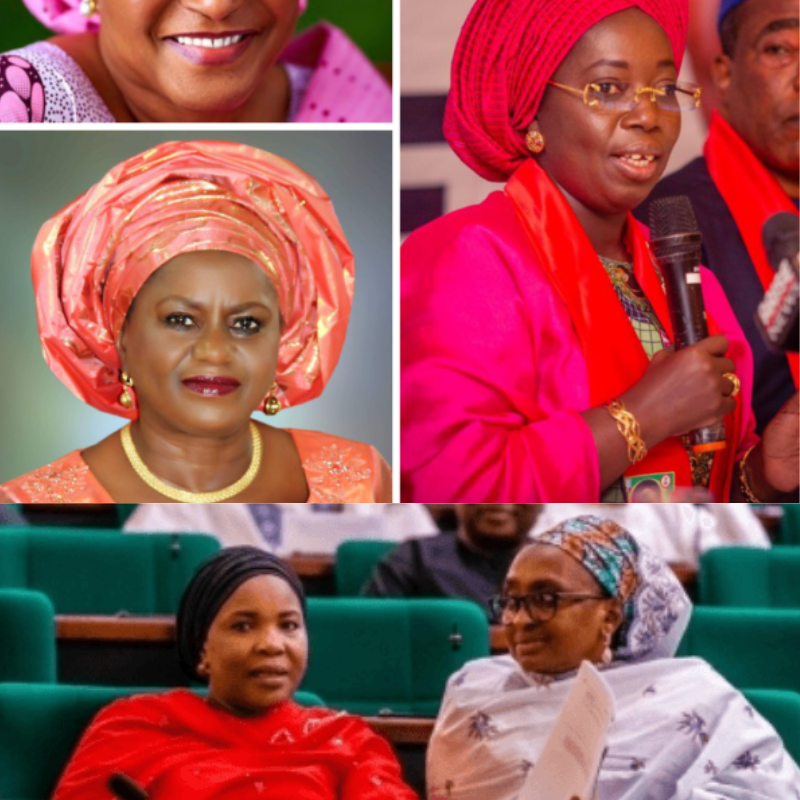
The renewed attention to the Reserved Seats for Women Bill has raised both hope and skepticism. On one hand, the bill reflects sustained advocacy by women’s rights groups, civil society organisations, and a handful of legislative champions. On the other hand, its history tells a more sobering story. Especially as we have only a handful of women in the National Assembly (4 female lawmakers in the Senate and 16 in the House of Representatives), and 15 of 36 State Assemblies have no female representatives.
As 2027 approaches, the risk is that the bill becomes symbolic, cited in speeches, referenced in campaign narratives, and used as evidence that women’s issues were “considered,” even if no structural change is delivered. Public visibility without legislative outcome risks turning inclusion into a performative exercise rather than a democratic commitment.
What Will Determine the Fate of GESI Bills in 2026
The survival of GESI bills this year will depend on several factors:
- sustained pressure from civil society organisations and the media, beyond symbolic moments;
- clarity from legislative leadership on whether inclusion remains a priority;
- willingness of lawmakers, especially male lawmakers, to support reforms that redistribute political power;
- alignment between advocacy timelines and legislative procedures;
- public accountability that goes beyond campaign rhetoric.
Without these conditions, even well-supported bills risk becoming footnotes in election-year politics.
Hope and Caution
Despite the risks, 2026 is not without opportunity. Election seasons also sharpen public scrutiny. Voters, advocacy groups, and development partners are paying closer attention to legislative records, not just promises. This creates space to ask harder questions and demand clearer commitments.
As the year unfolds, the central question remains: Will GESI reforms survive the politics of 2026, or will they be postponed once again in the name of electoral strategy? The answer will shape not just the 2027 elections, but the future of inclusive governance in Nigeria.