Nigeria did not pause on Thursday, March 19, 2026 by choice. It paused because those in charge did not do their homework
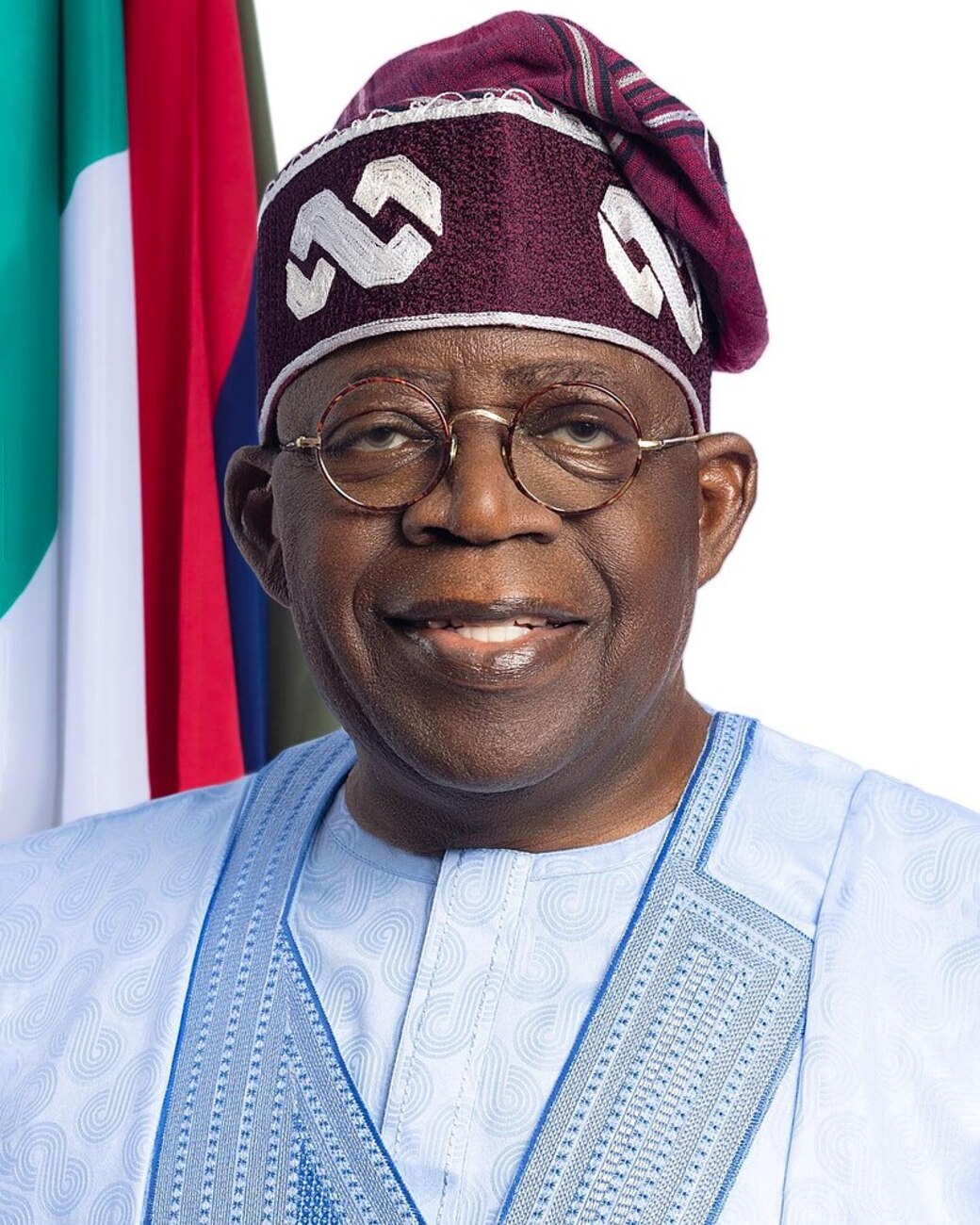
Nigeria did not pause on Thursday, March 19, 2026 by choice. It paused because those in charge did not do their homework. The Federal Government, under President Bola Tinubu, announced public holidays to mark the end of Ramadan. It was routine, until it collided with reality.
Within hours, the Sultan of Sokoto announced that the moon had not been sighted. Ramadan was not over. The fast would continue. Two authorities. Two positions. One country thrown into confusion.
And then, as always, Nigerians paid the price. Across the country, bank branches remained shut. Bank operations slowed. Clearing cycles were disrupted. Small businesses that depend on daily cash flow were stranded.
In Lagos, traders who rely on daily turnover lost a full day of sales. In Aba and Onitsha, goods already in transit sat idle as logistics chains slowed. In Kano, informal markets opened partially, uncertain whether to proceed or pause. Across the system, hesitation replaced momentum.
This is how damage happens, not always in dramatic collapse, but in quiet, costly disruption.
Nigeria’s GDP, according to the National Bureau of Statistics, runs into hundreds of billions of dollars annually. Break that into daily output, and you are looking at roughly $1 billion in economic activity tied to a single working day.
Not all of that disappears. But a significant portion is delayed, distorted, or lost, especially in an economy where a large percentage of activity is informal and time-sensitive.
For the market woman who sells perishable goods, yesterday’s loss is permanent.
For the small manufacturer waiting on payments, delays ripple forward.
For the logistics operator, idle trucks mean wasted fuel, time, and opportunity.
This is not theory. This is lived reality. And it was avoidable. The end of Ramadan is not guesswork. It follows a known, structured process led by recognized religious authorities. Any government that respects its own decisions takes the extra step to confirm before it announces.
That step was skipped. What we saw instead was a familiar weakness, speed without accuracy, authority without discipline. And that points to a deeper problem. This is not just about a holiday. It is about a pattern.
A pattern of rushed decisions. A pattern of poor coordination. A pattern where the cost of error is casually transferred to over 200 million people. That is not governance. That is negligence. No serious country runs like this. Precision is not optional in leadership. It is the job. When leaders fail at something this basic, verification, alignment, timing, it sends a dangerous message: that details do not matter.
But details are everything. They are the difference between order and confusion.
Between confidence and doubt. Between progress and stagnation.
What makes this failure inexcusable is its simplicity. No complex reform was required. No budget approval. No legislative battle. Just a pause. A confirmation. A decision grounded in fact. Instead, Nigeria shut down for a mistake.
And until leadership begins to treat governance with the discipline it demands, these mistakes will continue, quietly draining productivity, weakening confidence, and reminding citizens that the system above them is not as serious as it should be.
A nation cannot move forward on careless decisions. And Nigeria cannot afford leaders who do not get the basics right.
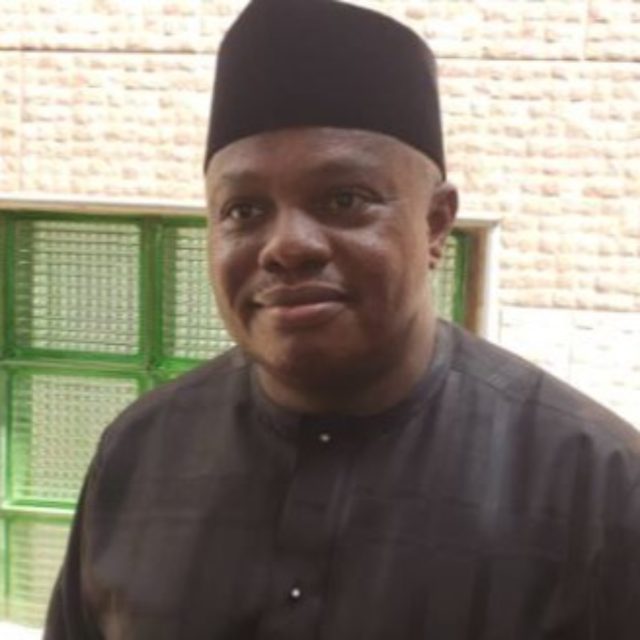
Anthony Ubani, a leadership and governance expert, wrote from Abuja