
A bill seeking to strip NERC, REA and REF of their renewable energy-related powers and transfer the functions to the proposed National Authority for Renewable Energy (NARE) has scaled second reading in House of Representatives
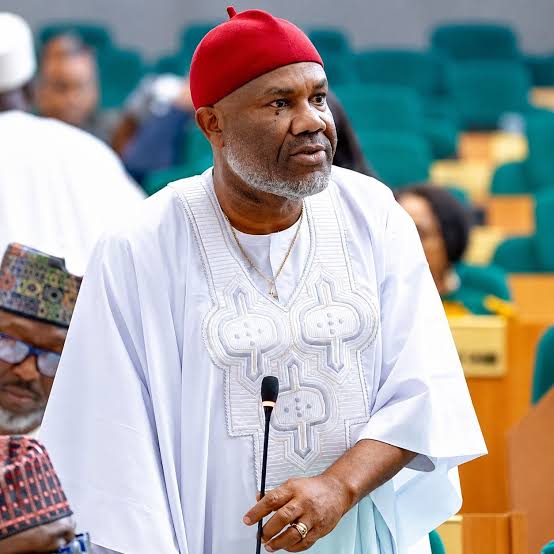
A bill seeking to establish the National Authority for Renewable Energy (NARE) to regulate, coordinate and promote renewable energy development and utilisation in Nigeria has scaled second reading in the House of Representatives.
This was amid divergent views among lawmakers over its necessity and potential duplication of existing regulatory functions.
The Electricity Act (Amendment) Bill, 2025, sponsored by Rep. Afam Victor Ogene, Chairman of the House Committee on Renewable Energy, was passed for second reading during plenary on Thursday.
Leading the debate, Rep. Ogene said the proposed legislation seeks to address structural gaps in the power sector by transferring renewable energy responsibilities currently handled by the Nigerian Electricity Regulatory Commission (NERC), Rural Electrification Agency (REA) and Rural Electrification Fund (REF) to the proposed authority.
He argued that establishing a specialised institution would improve coordination, eliminate overlapping responsibilities and provide focused oversight for the development of renewable energy in the country.
“This specialisation will improve coordination, reduce institutional overlaps and provide focused direction for the effective development of the renewable energy sector,” Rep. Ogene said.
According to the lawmaker, the proposed authority would promote the deployment of renewable energy technologies, including solar, wind, hydro, geothermal, biomass and hydrogen, to diversify Nigeria’s energy mix and improve electricity access.
The bill also seeks to empower NARE to promote mini-grid and off-grid electricity systems in rural, unserved and underserved communities, as well as islands.
Other proposed responsibilities include regulating licensing, establishing industry standards, ensuring fair tariffs, resolving disputes and providing financial, fiscal and regulatory incentives to encourage local manufacturing, research and capacity development.
The legislation further provides for collaboration between NARE, NERC and the Federal Ministry of Finance to facilitate grid integration and harmonise renewable energy policies.
A key provision of the bill proposes allocating 40 per cent of the annual funds of the Rural Electrification Fund to the proposed authority to finance renewable energy development.
Ogene maintained that expanding the national grid alone would not adequately address Nigeria’s electricity challenges, stressing the need for decentralised energy solutions.
“We must embrace innovative, decentralised and renewable energy solutions that can reach communities and businesses more efficiently,” he said.
However, the proposal generated opposing views among lawmakers, with some questioning the need to establish another regulatory institution when existing agencies already perform electricity-sector functions.
The Chairman of the House Committee on Power, Rep. Victor Nwokolo, opposed the bill, questioning the rationale for transferring renewable energy regulation from NERC to a separate authority.
Nwokolo said the country should be streamlining government institutions rather than creating additional agencies that could increase administrative costs and complicate regulatory coordination.
He noted that the Electricity Act 2023 had empowered subnational governments, including local governments, to establish electricity generation, distribution and marketing systems within the framework of the law.
The lawmaker also disclosed that he had recently participated in discussions at the Ministry of Power on proposed amendments to the Electricity Act aimed at establishing uniform regulatory standards.
He warned that creating a separate renewable energy regulator could undermine efforts to harmonise electricity-sector regulations.
Similarly, Rep. Ahmed Jaha, (APC Borno), opposed the proposal, describing the proposed authority as a potential duplication of existing regulatory responsibilities.
Jaha argued that separating renewable energy regulation from conventional electricity regulation could create confusion, particularly as existing institutions were already engaging lawmakers on reforms in the sector.
In support of the bill, Rep. Ibrahim Almustapha, a lawmaker from Sokoto State, said gaps in renewable energy oversight justified the establishment of a dedicated institution.
He argued that the increasing involvement of subnational governments in electricity provision had exposed capacity deficiencies that a specialised regulator could help address.
Mark Esset, (APC Akwa Ibom), also backed the proposal, citing Nigeria’s longstanding electricity supply challenges and the growing adoption of renewable energy solutions by households and businesses.
Esset said the expansion of renewable energy required clear regulatory rules and standards to guide investment and development.
He also rejected the argument that establishing NARE would undermine NERC, maintaining that the proposal aligned with efforts to decentralise electricity generation, distribution and regulation.
Following the debate, the House adopted the bill for second reading and referred it to the relevant committee for further legislative scrutiny.
The committee is expected to examine the bill’s provisions, including arrangements for transferring personnel, assets and ongoing projects to the proposed authority.
Ogene has also led the House Committee on Renewable Energy in green energy engagements at the 29th United Nations Climate Change Conference (COP29) in Baku, Azerbaijan, in 2024, and COP30 in Brazil in 2025.