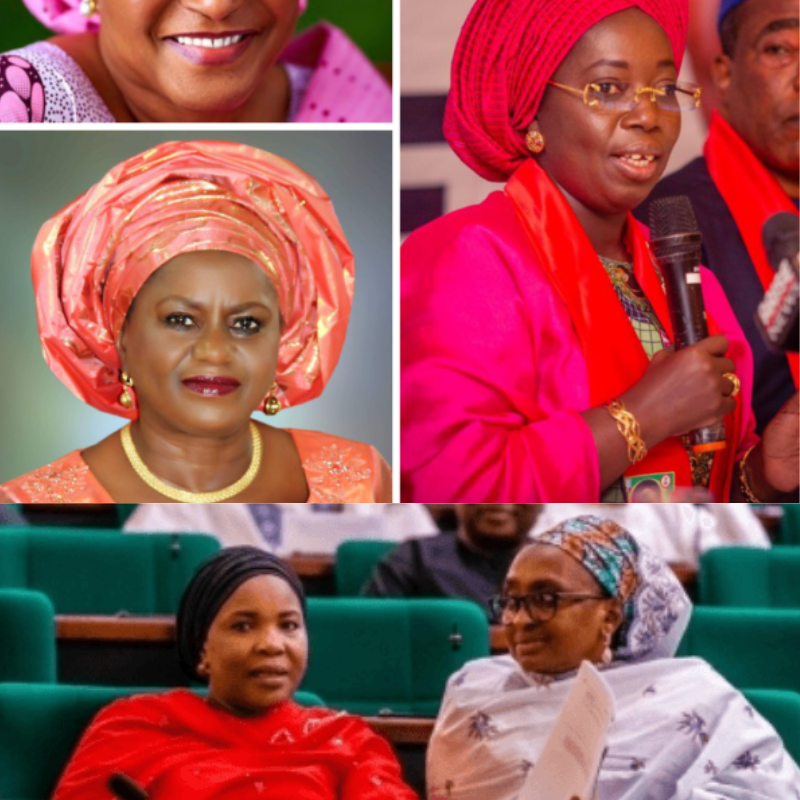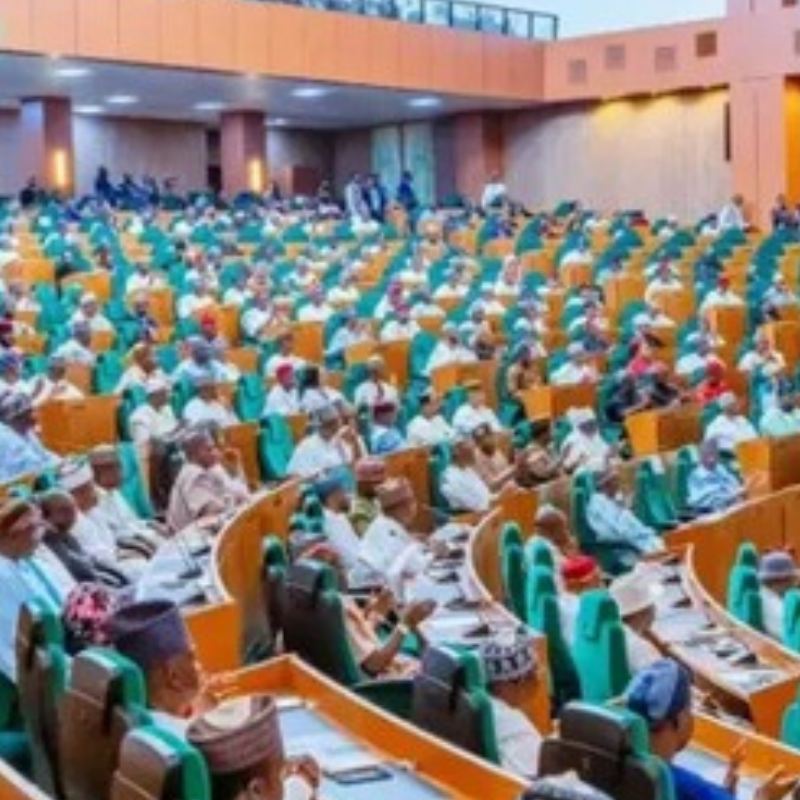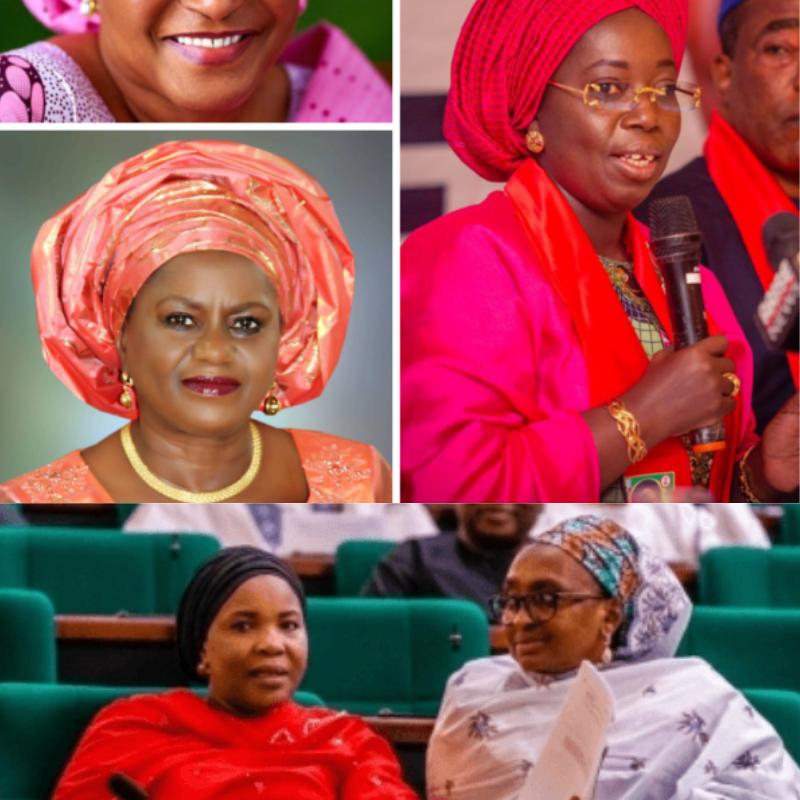

GESI considerations on rights and rural inclusion are embedded in two bills under consideration in the House of Representatives

Not every GESI-relevant bill announces itself as such. Some arrive quietly, framed around institutions, development, or reform. Yet their real impact lies in who they protect, who they prioritise, and who may still be left behind. In this Gender Equality and Social Inclusion (GESI) Tracker, we examine two bills at the second reading stage in the House of Representatives that fall into this category.
One focused on strengthening Nigeria’s human rights architecture, and the other on addressing rural poverty and development. These bills both sit squarely at the heart of Nigeria’s inclusion challenge.
Strengthening human rights protection
The National Human Rights Commission Bill, 2025 sponsored by Rep. Abiola Makinde (APC, Ondo) and Rep. Mudashiru Alani (PDP, Osun), seeks to repeal existing laws and establish a stronger, more empowered commission with expanded investigative authority, improved funding mechanisms, and greater operational independence in line with the Paris principles.

Why this matters for GESI
At its core, GESI is about whether people who experience exclusion can access protection, justice, and remedy when their rights are violated. In Nigeria, women, girls, persons with disabilities, children, and minority communities are disproportionately exposed to abuse, discrimination, and institutional neglect. For many of them, the National Human Rights Commission is not a symbolic institution. It is often the most accessible pathway to justice outside the formal court system.
Strengthening the commission’s investigative powers, independence, and funding therefore has direct implications for gender equality and social inclusion. Survivors of gender-based violence, workplace discrimination, child abuse, and disability-related exclusion frequently face barriers such as fear of stigma, high legal costs, inaccessible courts, or slow judicial processes. An empowered human rights commission can bridge these gaps by offering complaint mechanisms that are faster, less intimidating, and more responsive to vulnerable populations.
From a gender lens, the commission plays a critical role in documenting patterns of violence against women and girls, monitoring state compliance with international human rights obligations, and providing oversight where justice systems fall short. For persons with disabilities, its ability to conduct investigations and enforce compliance is essential in addressing systemic discrimination in public buildings, employment, education, and service delivery. For children and minority groups, it serves as an institutional safeguard against abuse that often goes unreported or unpunished.
However, the GESI value of this bill goes beyond strengthening powers on paper. It lies in whether the commission’s work will be inclusive in practice. This includes ensuring that complaint mechanisms are accessible to women, persons with disabilities, and rural populations; that investigations are sensitive to gender and social vulnerabilities; and that funding supports targeted outreach and protection for groups most at risk of rights violations.
In this sense, the National Human Rights Commission Bill is not merely an institutional reform. It is a test of whether Nigeria’s human rights architecture can meaningfully serve those who are most excluded, and whether inclusion and equity will be embedded in how justice is delivered, not just how it is legislated.
What to Watch
The real inclusion value of the National Human Rights Commission Bill will ultimately depend on how it is operationalised in practice. Key questions remain:
- Will investigations be accessible to women, persons with disabilities, and rural populations?
- Will funding support gender-responsive and inclusive programming?
- Will civil society organisations working on women’s rights and social inclusion be meaningfully engaged?
Without deliberate GESI safeguards, a stronger institution may still reproduce existing inequalities.
Read Also: 16 Days of Activism: Ending Digital Violence Against Women and Girls | GESI Tracker
Rural development and invisible inequalities
The proposed National Integrated Rural Development Agency (NIRDA) Bill, sponsored by Rep. Marcus Onobun (PDP, Edo), aims to reduce poverty, improve infrastructure, and enhance livelihoods in rural areas across Nigeria.

Why rural development is a GESI issue
Rural development is not a gender-neutral or socially neutral concern. In Nigeria, rural spaces are where inequality is often most deeply entrenched and least visible. Women, girls, persons with disabilities, the elderly, and young people in rural communities face overlapping barriers that shape their access to livelihoods, services, and political voice.
Women make up a significant proportion of the rural poor, yet they are often excluded from land ownership, credit facilities, agricultural inputs, and decision-making structures. Many rural women shoulder unpaid care work while engaging in subsistence farming and informal trade, with limited access to education, healthcare, and other services. When rural infrastructure fails, it is women who walk longer distances for water, girls who drop out of school, and pregnant women who face higher health risks.
Youth in rural areas are similarly constrained by limited economic opportunities, poor connectivity, and weak social protection. This contributes to rural-urban migration, unemployment, and, in some contexts, heightened vulnerability to insecurity and conflict. Persons with disabilities in rural communities face compounded exclusion due to inaccessible infrastructure, stigma, and the absence of targeted support services.
From a GESI perspective, rural poverty is not just about income levels. It is about who has access to resources, who is protected, who participates in decision-making, and who is left behind when development programmes are rolled out without inclusive design.
A national framework for rural development, therefore, carries significant GESI implications. If designed and implemented without deliberate inclusion measures, such frameworks risk reinforcing existing inequalities. But if grounded in gender-responsive planning, disability inclusion, youth participation, and community-level accountability, rural development policies can become powerful tools for social equity and inclusive growth.
Read Also: Child Online Safety and Budget Accountability for Women’s Welfare | GESI Tracker
GESI risks and opportunities
The proposed rural development framework presents a critical crossroads for inclusion. Its design and execution will determine whether it narrows inequality or quietly deepens it.
On the risk side, rural development initiatives that lack explicit GESI safeguards often default to existing power structures. Resources may be captured by local elites, sidelining women, young people, and persons with disabilities. Without clear inclusion criteria, women farmers may continue to lack access to land, credit, and agricultural inputs, while youth remain excluded from decision-making and economic opportunities. Infrastructure projects that do not account for accessibility risk further isolating persons with disabilities and elderly populations. In conflict-affected or underserved rural areas, the absence of targeted social protection could also leave internally displaced persons and marginalized ethnic groups invisible within development plans.
There is also the risk of gender-blind implementation. Programmes that treat households as uniform units can reinforce unequal intra-household dynamics, where men control resources and benefits intended for entire families. Without gender-disaggregated data and monitoring, these inequalities may go unnoticed and unaddressed.
At the same time, the bill offers significant opportunities to embed inclusion at scale. With deliberate GESI integration, rural development can become a vehicle for women’s economic empowerment, youth employment, and disability inclusion. This includes designing targeted interventions for women farmers, ensuring accessible infrastructure and services for persons with disabilities, creating youth-focused livelihood pathways, and supporting community-led development models that amplify marginalized voices.
Embedding GESI-responsive budgeting, transparent beneficiary selection, and community-level accountability mechanisms would strengthen the bill’s impact. If implemented thoughtfully, the framework could help transform rural spaces into engines of inclusive growth rather than sites of persistent exclusion.