
In this edition of the Gender Equality and Social Inclusion (GESI) Tracker, we spotlight two critical developments from the National Assembly: one addressing the rising vulnerability of Nigerian children online; and the other examining funding gaps affecting women’s welfare and gender equality interventions.

Child online access protection bill: Strengthening safeguards for vulnerable children
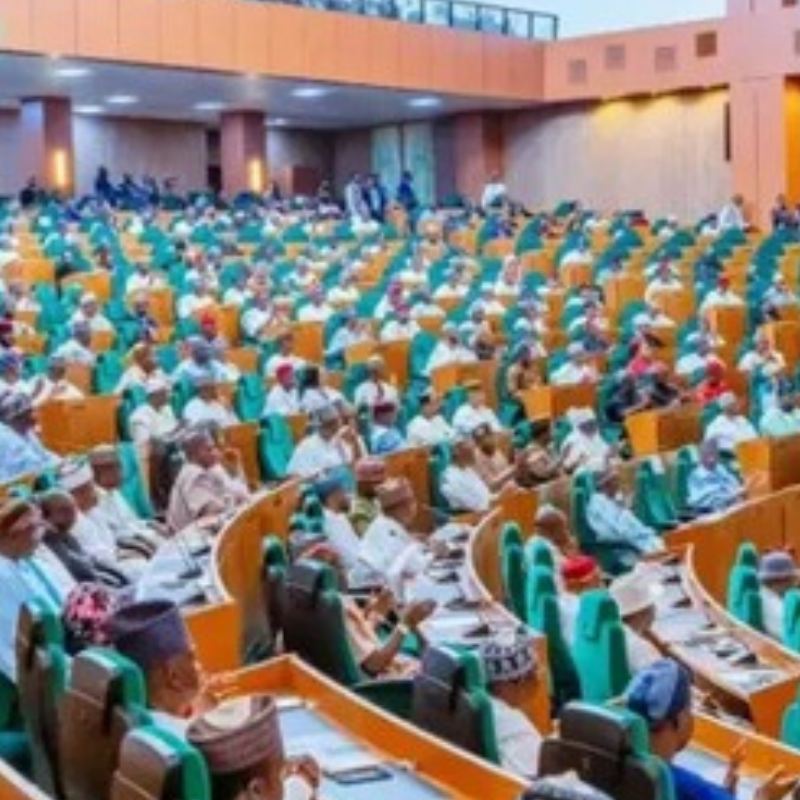
In the House of Representatives, the House Leader, Rep. Julius Ihonvbere (APC, Edo), led the debate on the child online access protection bill, which seeks to establish a legal framework that safeguards Nigerian children from online violence, exploitation, and harmful digital content.
Though not explicitly framed as a gender bill, it carries clear GESI relevance because it targets one of the country’s most vulnerable and socially excluded groups- children.
Viewed through a GESI lens, the bill responds to widening digital risks that disproportionately affect children with limited supervision, limited digital literacy, and limited social protection.
Online grooming, cyberbullying, exposure to inappropriate content, and exploitation often impact girls more severely, while children living with disabilities or in low-income communities face unique vulnerabilities due to reduced access to safety mechanisms.
By creating legal protections and enforcement mechanisms, the bill will help close the digital safety gap and promote more inclusive access to technology.
If passed, the bill would strengthen national safeguarding systems and reinforce the state’s responsibility to protect children across social, economic, and geographic lines. Its implementation would also require collaborative support from schools, parents, digital platforms, and regulatory bodies to ensure that online spaces become safer and more accessible for all children, regardless of background or circumstance.
This bill has significant potential for promoting child protection and digital inclusion in Nigeria’s evolving online landscape.
Read Also: Towards Gendered Layered Policing in Nigeria | GESI Tracker
Reps task women affairs ministry on gender equality and welfare delivery
The House of Representatives Committee on Women Affairs and Social Development has issued a fresh call for accountability from the Ministry of Women Affairs, emphasizing the urgency of proper budgeting, timely fund releases, and measurable outcomes for women and girls.
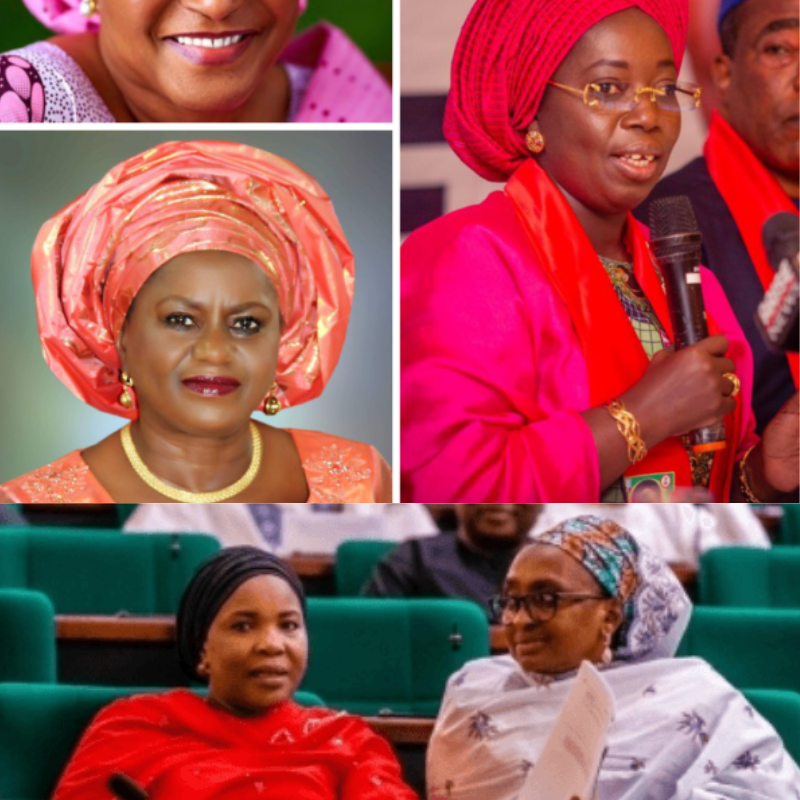
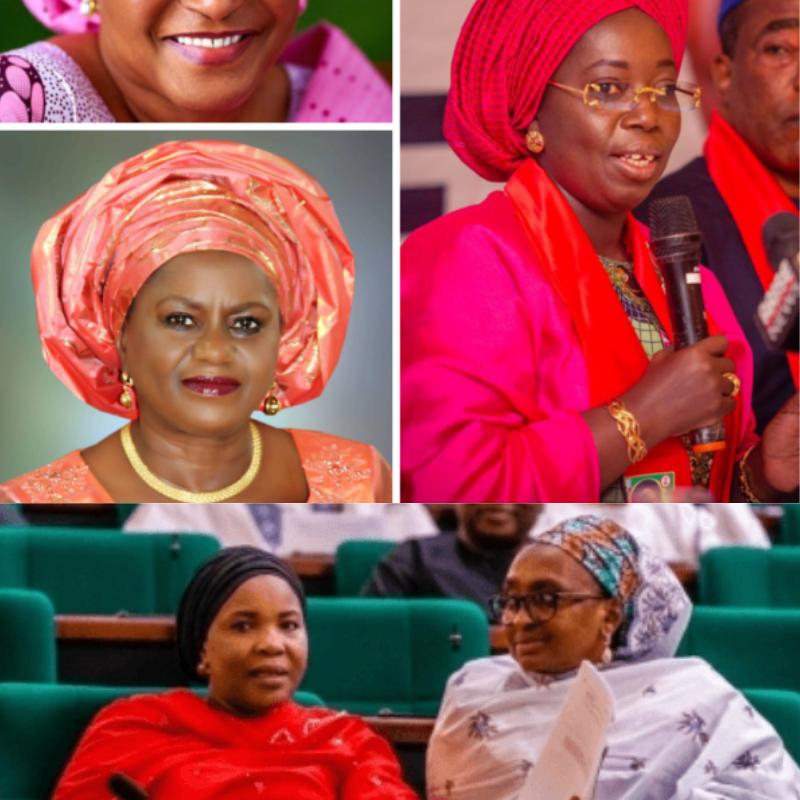
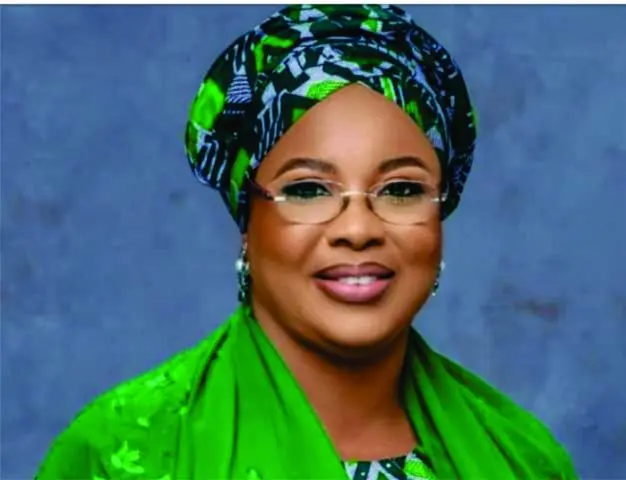
The meeting, chaired by Rep. Kafilat Ogbara, (APC, Lagos), reviewed the Ministry’s 2024 budget performance and highlighted gaps that directly affect gender equality and inclusion efforts nationwide.
Key GESI issues raised
- Accountability for Gender-Responsive Budgeting: Rep. Ogbara underscored that the ministry’s budget must translate into real, measurable impact for Nigerian women and girls. She stressed three priority areas:
- adequacy of budget releases,
- transparency in expenditure, and
- evidence of effective utilization of funds.
Her message was clear: without predictable and sufficient funding, core programmes in health, education, economic empowerment, and GBV protection cannot deliver results.
Importance of adequate budgeting for women’s issues: From a GESI standpoint, underfunding remains one of the biggest barriers to progress. Delayed or partial releases weaken maternal and reproductive health services; GBV response and safe shelters; social protection for widows, PWDs, and rural women; education and empowerment programmes for girls and livelihood support schemes for vulnerable households.
Gender equality cannot advance if the primary institution mandated to champion it is consistently under-resourced.
Ministry Admits Structural and Operational Challenges
Minister Imaan Suleman Ibrahim acknowledged that beyond outdated policies, weak operational frameworks, and coordination problems, the ministry is also constrained by serious gaps in budget releases.

She highlighted that for 2024, the ministry received 99 percent of its overhead and personnel costs, but only 6.9 percent of its capital budget. For 2025, the situation appears even more constrained: 13.4 percent of overhead released, 79.9 percent of personnel funding received, and only 0.1 percent of capital funds disbursed.
According to her, these discrepancies limit the ministry’s ability to implement programmes, scale interventions, and respond effectively to the needs of women and vulnerable groups. Other challenges include frequent leadership changes, duplication of efforts by development partners, and difficulty tracking donor-funded activities due to poor coordination.
Despite these challenges, she noted progress such as approval to work with the economic team on a more gender-responsive budget and ongoing reviews of outdated laws.
GESI Implications
The oversight discussion highlights systemic gaps that continue to affect women and girls. When funds are delayed or mismanaged: essential services break down; GBV interventions weaken; social protection becomes unreliable; rural and low-income women remain excluded, and key policies fail to translate into real impact
For GESI advocates, this reinforces the need to track not only legislation but also budgeting, releases, and actual implementation.
Looking Ahead: A Chance to Reset the System
The engagement signals an opportunity to strengthen coordination between lawmakers and the ministry. Consistent oversight, clearer funding frameworks, and better alignment with partners could improve delivery and accountability.
And as the country awaits the presentation of the 2026 national budget, there is a growing expectation that allocations to the Ministry of Women Affairs will better reflect the scale of challenges facing women and girls, and the urgency required to address them.