
In this episode of Gender Equality and Social Inclusion (GESI) Tracker, we celebrate International Women’s Day under the theme “Give to Gain” with a powerful lens on its importance to Nigeria’s political and development landscape.

At its core, the message is simple but profound: when women are given opportunities, societies gain. When barriers to participation are removed, the benefits extend beyond individual women to communities, institutions, and national development itself.
This principle is particularly relevant in Nigeria today, where debates around women’s political participation, especially the proposed reserved or special seats for women in legislative bodies, have once again come into focus.
Representation and the Case for Special Seats
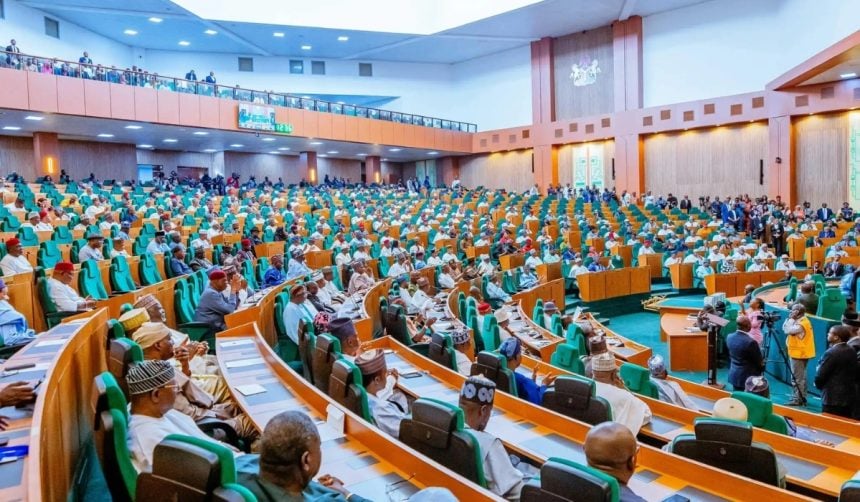
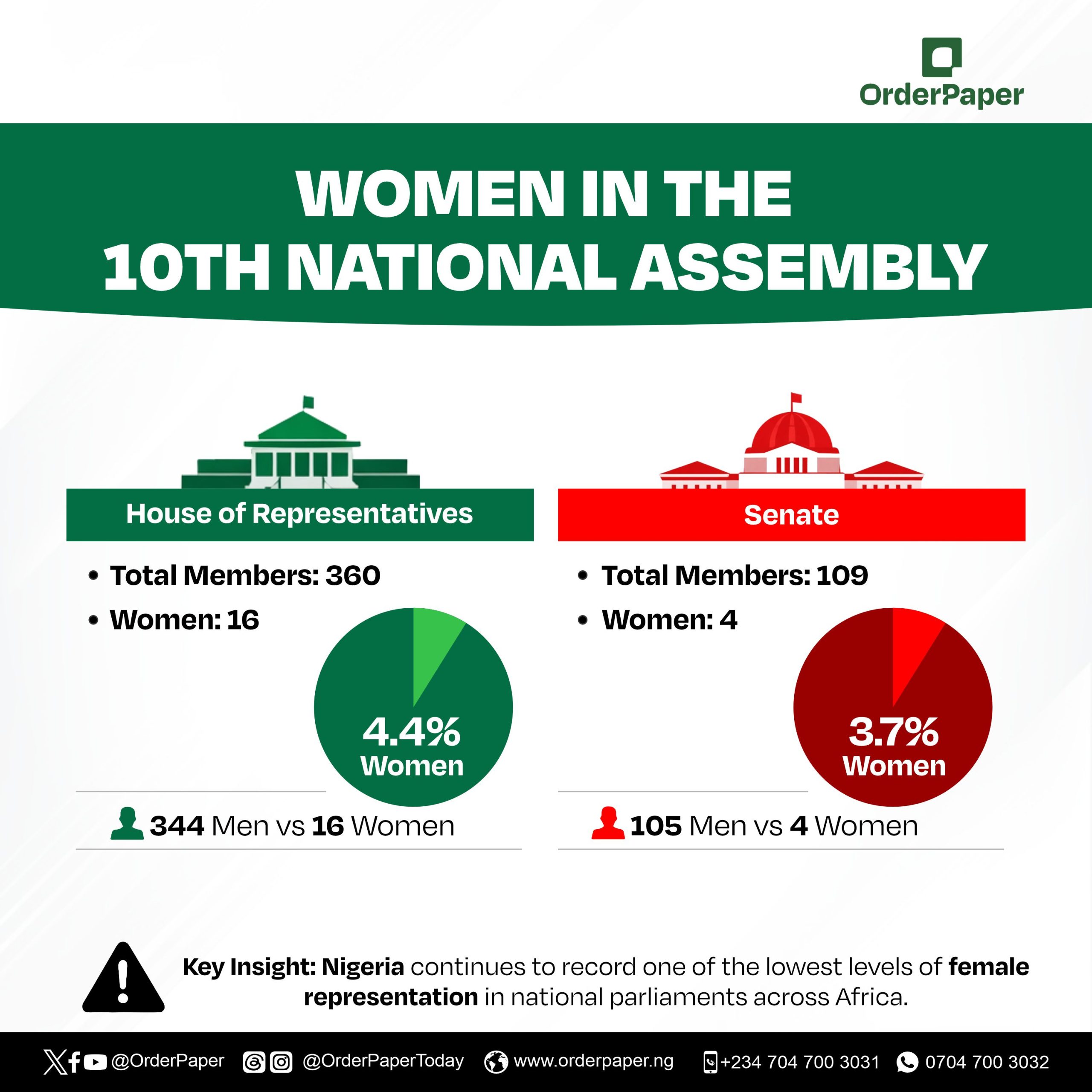
Nigeria continues to face a significant gender gap in political representation. In the current Senate, only four women hold seats out of 109 members. The House of Representatives tells a similar story, where women remain a small minority in a chamber meant to reflect the diversity of the nation.
The proposed Special Seats for Women Bill seeks to address this imbalance by creating additional legislative seats specifically reserved for women. The intention is not simply to increase numbers, but to correct structural barriers that have historically limited women’s entry into political office.
Critics sometimes frame reserved seats as preferential treatment. Yet, the argument behind the legislation is grounded in a broader development logic: when women participate meaningfully in governance, policy outcomes often become more inclusive and responsive.
Giving women space in decision-making structures is therefore not a concession; it is an investment in better governance.
Read Also: IWD 2026: Reps Speaker Launches OrderPaper GESI Compendium
The Development Dividend
Across sectors, evidence continues to show that empowering women produces measurable gains. When women have access to education, families experience improved health and income outcomes. When women participate in economic life, productivity increases and poverty declines. When women are represented in governance, issues such as social protection, education, healthcare, and community development often receive stronger attention.
These outcomes illustrate the logic behind “Give to Gain.” Inclusion does not dilute institutions; it strengthens them.
In the Nigerian context, where social inequalities intersect with economic pressures and demographic change, expanding women’s participation could generate benefits that reach far beyond gender equality itself. It can influence how resources are allocated, how policies respond to community needs, and how democratic institutions build trust with citizens.
Opportunity, Not Symbolism
For initiatives like the Special Seats Bill to achieve their intended impact, however, representation must go beyond symbolic presence. Women in leadership positions must be able to exercise authority, influence policy debates, and contribute meaningfully to legislative processes.
This means ensuring that institutional environment support participation rather than constrain it. It also requires sustained political commitment from lawmakers, parties, and civil society to move gender equality from aspiration to implementation.
International Women’s Day offers a moment to reflect on these challenges, but it also highlights the opportunity ahead. Nigeria’s political institutions are currently navigating debates about electoral reforms, governance priorities, and representation ahead of the 2027 elections.
Within that context, the question of women’s inclusion is not peripheral. It is central to the broader conversation about what kind of democracy Nigeria seeks to build.
Giving Space to Gain Progress
The message behind “Give to Gain” ultimately extends beyond a single policy proposal or legislative reform. It reflects a broader recognition that societies thrive when opportunity is shared.
If women are given equitable access to leadership, resources, and participation, the gains will not be limited to women alone. They will be felt in stronger institutions, more responsive policies, and more resilient communities.
For Nigeria, advancing gender equality is therefore not only a matter of justice; it is a pathway to national progress.