
On this episode of Gender Equality and Social Inclusion (GESI) tracker, we examine the budget defence session at the National Assembly, focused on the Ministry of Steel Development, which took an unexpected turn that highlighted not just policy tension but deeper questions about inclusion, voice, and respect within Nigeria’s legislative process.

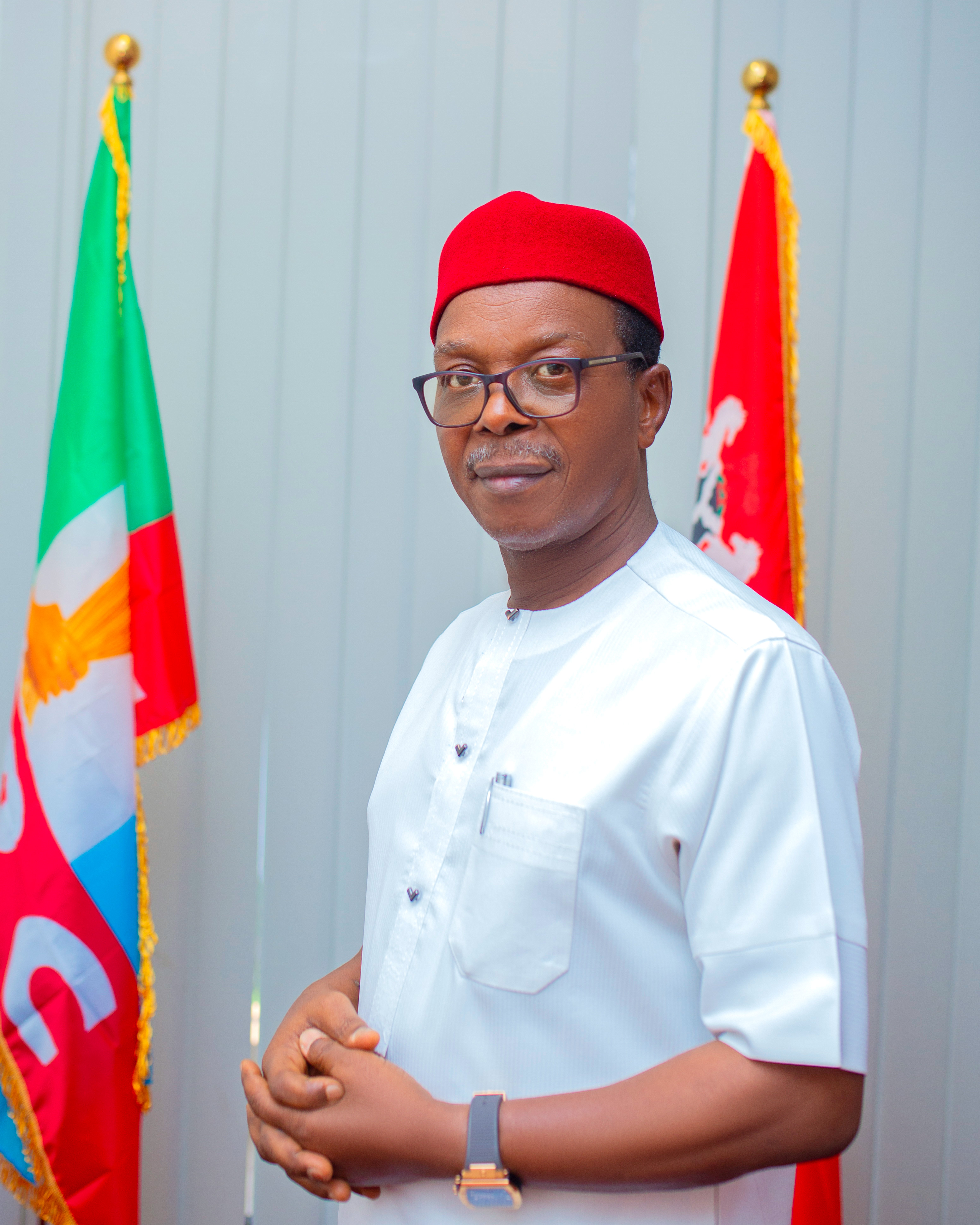
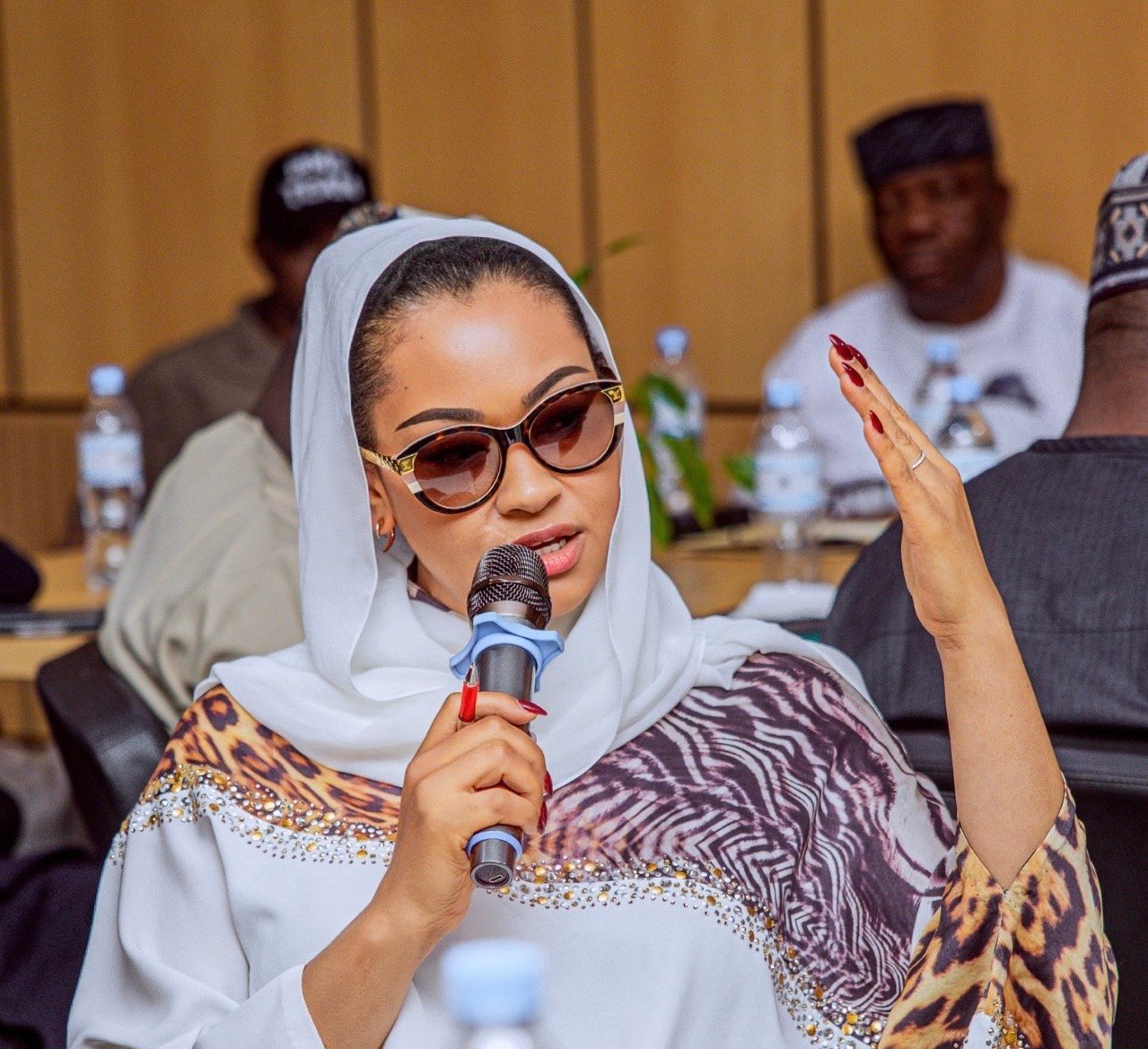
During the session, Sen. Natasha Akpoti-Uduaghan (PDP, Kogi), one of only four women in the 10th Senate, found herself in a sharp dispute with the committee chairman, Sen. Patrick Ndubueze (APC, Imo), over her right to question the Minister of Steel Development, Shuaibu Audu.
What might have been a routine oversight exchange over a ministry budget, including scrutiny of the Ajaokuta Steel Company, instead turned into a moment that drew attention to procedural fairness and the dynamics of inclusion.
A Question Cut Short
The session had stretched for hours, with Sen. Natasha pressing for clarity on funding and the status of various agreements, including a 2019 Russia memorandum of understanding linked to Ajaokuta, when the chairman signalled an end to proceedings.
Sen. Natasha sought to continue with her line of questioning, insisting on her right to speak, but Sen. Ndubueze struck the gavel to close the session.
“I still have something to say, and I think you should respect me enough,” she pleaded, only for the chairman to reiterate that her time was up. Visibly frustrated, she accused him of disrespect.
The sharp exchange has since prompted discussions about whether norms of engagement and respect are applied fairly, especially to women lawmakers who are already underrepresented in the National Assembly.
Voice, Representation, and Inclusion in Practice
This incident is not just parliamentary theatre. It matters for GESI analysis because it highlights how inclusion is lived, not just in who gets elected, but in whether elected women feel empowered to participate fully.
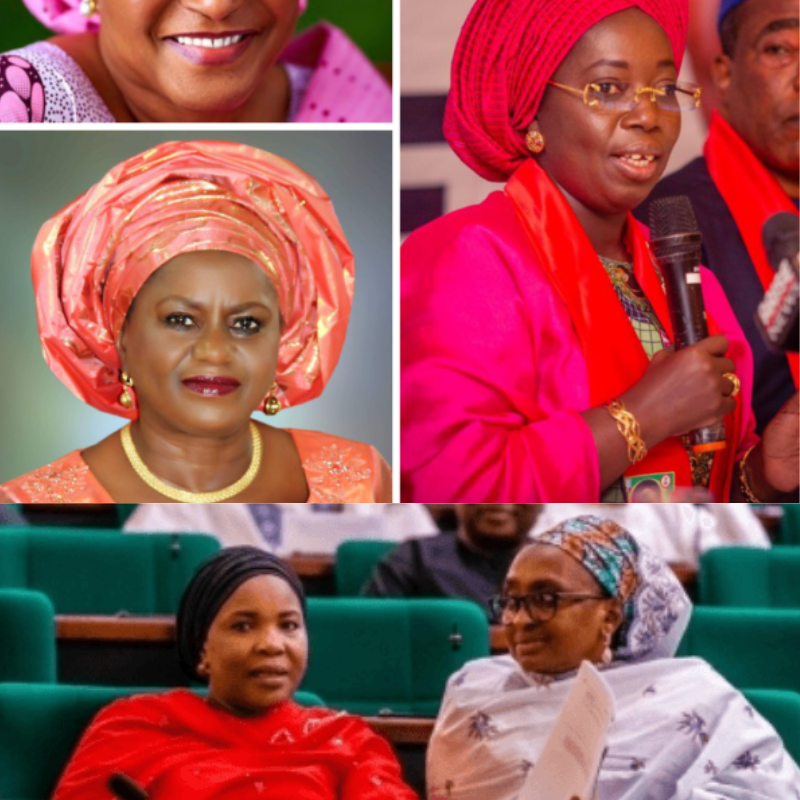
The National Assembly has four women in the Senate and 16 women in the House of Representatives. In an institution dominated numerically by men, every substantive space for questioning, oversight, and debate is precious. When those spaces appear to be curtailed, even for procedural reasons, it raises questions about how inclusion is operationalised, not just celebrated.
In Sen. Natasha‘s case, she represents Kogi Central, the host community for the Ajaokuta Steel Company, a project mired in delays and controversy. Her insistence on pressing the minister for answers was rooted in her representative role, not abstract argumentation.
That she felt shut down and compelled to walk out resonates with broader concerns about whose voices get airtime and whose are sidelined, especially on issues intimately tied to their constituencies.
Implications for GESI Beyond This Moment
At first glance, the clash may appear to be a routine procedural disagreement. Budget defence sessions are often tense, time-bound, and politically charged. But viewed through a GESI lens, the incident reveals deeper structural concerns about representation and institutional culture.
First, it underscores the distinction between numerical representation and substantive participation. Nigeria currently has 20 women in the National Assembly. In such a context, representation is already fragile.
When one of those 20 is visibly curtailed during oversight proceedings, it raises questions about whether women legislators can fully exercise their mandates without undue constraint. Inclusion is not simply about occupying a seat; it is about having the authority, time, and institutional respect to use that seat effectively.
Second, this moment highlights how procedural discretion intersects with power dynamics. Committee chairs hold significant authority in managing hearings, including determining speaking order and closing sessions. While these powers are legitimate, their application can unintentionally reinforce hierarchies, especially in environments where gender imbalance already shapes who is perceived as assertive, disruptive, or “out of order.”
When a female senator insists on further questioning and is publicly shut down, the optics and implications are different from routine time management. They speak to the broader issue of how dissent and insistence are interpreted depending on who expresses them.
Third, the incident touches on constituency legitimacy and gendered authority. Sen. Natasha represents Kogi Central, home to the Ajaokuta Steel Company. Her insistence on questioning the minister was tied directly to her constituents’ long-standing concerns.
When a female legislator advocating for a high-stakes constituency issue is perceived as being silenced, it risks reinforcing narratives that women’s political engagement is tolerated only within certain boundaries. This has implications particularly for aspiring women politicians who observe how assertiveness is received in national politics.
Fourth, there is the broader institutional message. Legislative spaces are not only sites of lawmaking; they are also arenas that signal who belongs and whose voice carries weight. In a chamber with overwhelming male dominance, moments like this shape informal norms.
If women lawmakers must fight visibly for speaking time or recognition, it can discourage full participation and deepen informal barriers that are harder to quantify but equally consequential.
For GESI tracking, the core issue is whether this episode remains an isolated disagreement or becomes an opportunity for reflection on parliamentary practice. Are committee procedures clear and consistently applied? Is there room to strengthen guidelines to ensure equitable participation in oversight sessions? And does the National Assembly leadership recognise that inclusion must be practiced, not merely proclaimed?
Ultimately, the significance of this moment lies not in the clash itself, but in what it reveals about the everyday experience of gender within the highest legislative institution.
Beyond Numbers, Inclusion in Practice
Inclusion is not the number of women in a legislature; it is about whether these women have a say and influence on decisions and whether they are listened to and valued. The budget defence of the Ministry of Steel Development this week may seem to be a small issue, but it speaks to some of the underlying dynamics of power, voice, and gender in Nigeria’s democracy.