Stakeholders at a policy dialogue have called on the National Assembly to expedite the passage of the Child Online Access Protection Bill
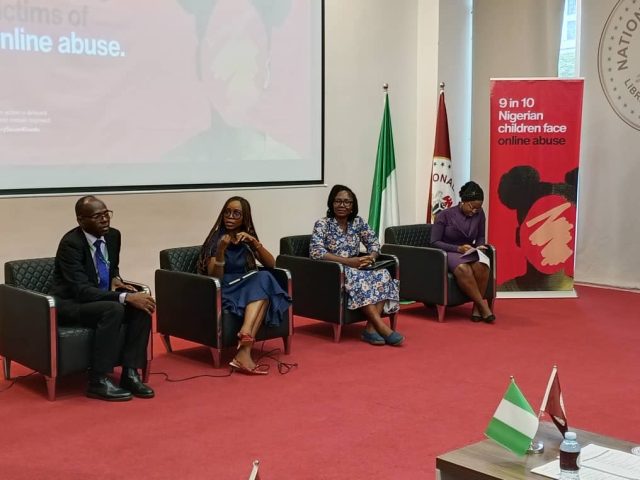
Civil society organisations, child rights advocates, educators, students, digital rights experts, National Assembly officials and other policy stakeholders have called for the speedy passage of the Child Online Access Protection Bill.
They warned that stronger legal safeguards are urgently needed to protect Nigerian children from growing online threats.
The appeal was made during a high-level policy dialogue and film screening held at the National Assembly Library in Abuja.
Organised by Gatefield, the event featured a private screening of Click, Bait, Repeat, a short documentary that sheds light on the realities of cyberbullying, online grooming, sexual exploitation and other digital dangers confronting children in Nigeria.
Participants expressed concern over the increasing exposure of children to harmful online content, noting that existing legal and institutional frameworks have failed to keep pace with the country’s rapidly expanding digital environment.
Speaking at the event, Gatefield’s Growth Lead, Abdulrahman Adebayo, said the documentary was designed to humanise the statistics surrounding online abuse and focus attention on the children affected.
“Click, Bait, Repeat takes us beyond the data and into the lived experiences behind it. It reminds us that behind every percentage is a child, a family, and a story,” he said.
Data presented during the dialogue painted a troubling picture of children’s online experiences in Nigeria. According to the findings, nine out of every 10 Nigerian children have suffered at least one form of online harm, while 79 per cent said they feel unsafe online.
Nearly four in 10 adolescents reported experiencing cyberbullying, and 89 per cent disclosed exposure to unsolicited sexual content.
The event also highlighted findings from Gatefield’s State of Online Harms research, which showed that 31 per cent of harmful content reported by Nigerian users remained online despite being flagged to digital platforms.
Stakeholders argued that Nigeria’s current legal and regulatory framework has not evolved to address the realities of children’s digital lives, leaving significant gaps in prevention, reporting, accountability and access to justice.
Jemimah Inyangudo of TechHer stressed that children constitute one of the country’s largest groups of internet users but remain among the least protected.
“The scale of child online harm in Nigeria demands more than awareness; it requires a coordinated policy response. Children are navigating digital spaces every day, but our current systems and safeguards have not kept pace with the risks they face. We need stronger protections, clearer accountability, and mechanisms that put children’s safety at the centre of digital governance,” she said.
Angela Uzoma of Avocats Sans Frontières France also pointed to the obstacles preventing many cases of online abuse from being reported or investigated.
“Many cases of online abuse never reach the appropriate authorities because children and families are unsure where to report, fear stigma, or lack confidence that action will be taken. Strengthening child online safety requires trusted reporting systems and effective pathways for accountability and redress,” she said.
Participants at the dialogue advocated stronger obligations for digital platforms, including mandatory child safety protections, quicker removal of harmful content and tighter restrictions on unsupervised early access to online spaces.
They argued that children are often left to manage digital risks without adequate safeguards, while technology companies face limited legal responsibilities to proactively protect young users.
According to the stakeholders, meaningful reforms should include enforceable age-appropriate design standards, improved content moderation systems, accessible reporting channels and stricter accountability measures for platforms that fail to act against harmful content.
Christina Eguma of the National Assembly’s Gender Technical Unit warned that unrestricted access to digital platforms at an early age exposes children to significant dangers and called for stronger protections across Nigeria’s digital ecosystem.
The stakeholders identified the Child Online Access Protection Bill, which has already passed the House of Representatives and is currently before the Senate, as a crucial legislative opportunity to strengthen child online safety.
They noted that the proposed law would establish clearer obligations for digital platforms, improve accountability mechanisms and provide a comprehensive framework for preventing and responding to online harms.
The dialogue concluded with a renewed appeal to the Senate leadership to expedite consideration and passage of the bill, with participants insisting that millions of Nigerian children require stronger legal protections as they navigate the digital space.
They maintained that enhanced legislation, greater platform accountability and coordinated action by government and technology companies are essential to ensuring the safety of children online.