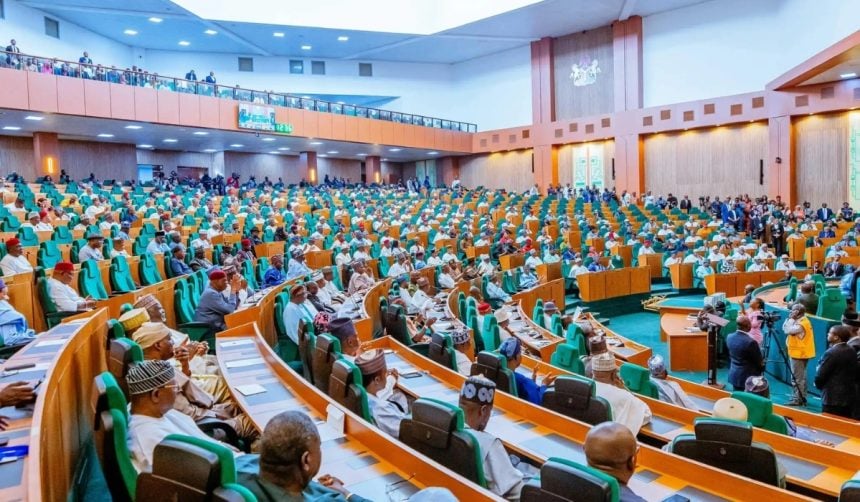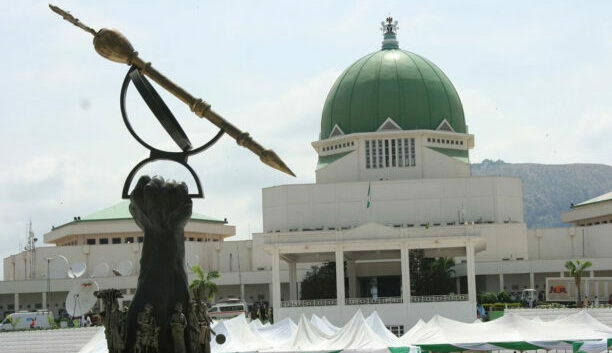
The National Assembly has unveiled plans to host a high-level summit focused on overhauling the Nigeria’s budgeting system and development planning framework
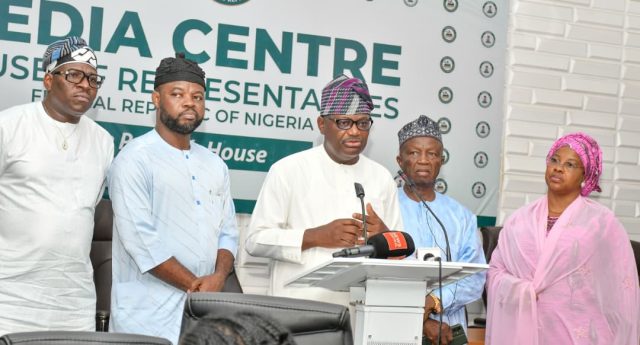
The National Assembly has commenced efforts to overhaul Nigeria’s planning and budgeting system, as concerns mount over the country’s sluggish growth rate and its implications for long-term economic ambitions.
The move comes amid renewed push to position Nigeria for a $1 trillion economy, with lawmakers warning that the current growth rate of about 3.54 per cent falls short of what is required to achieve that goal.
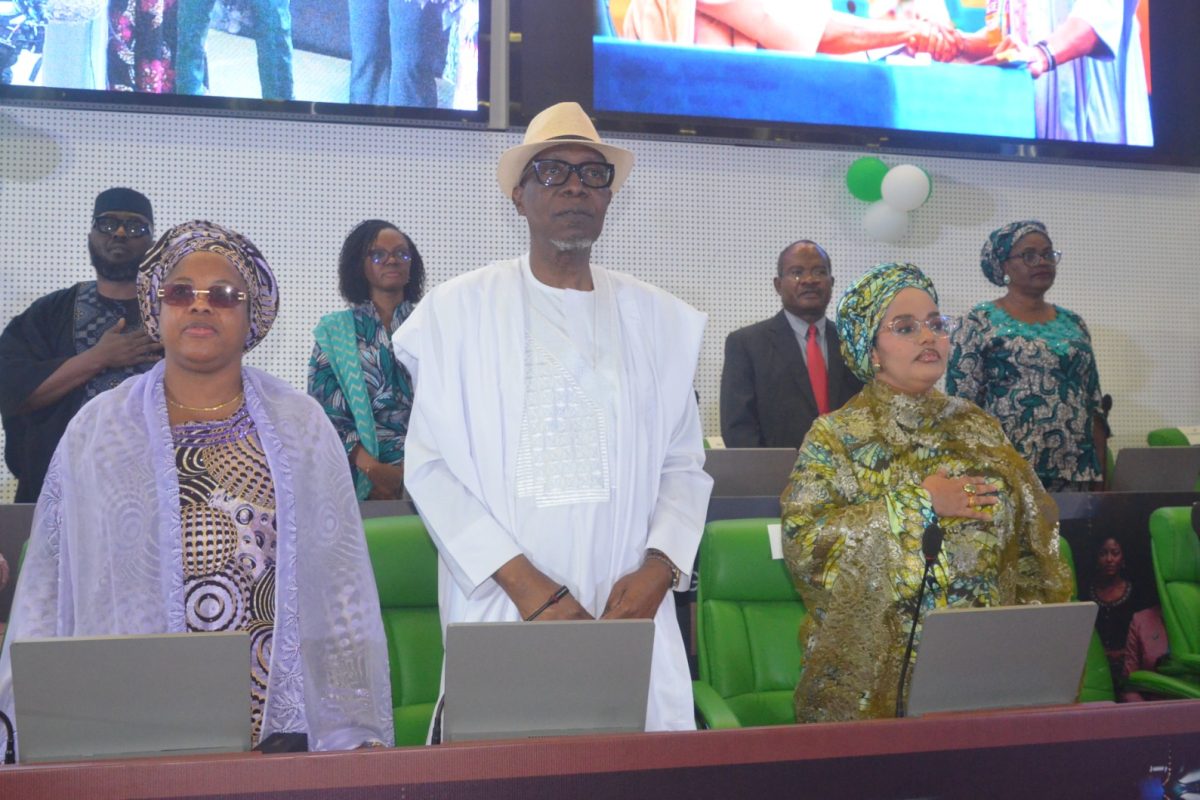
Chairman of the House Committee on National Planning and Economic Development, Rep. Gboyega Isiaka, disclosed this on Monday during a press briefing at the National Assembly in Abuja.
Speaking on behalf of a joint committee of the Senate and House of Representatives, Isiaka announced that a two-day national policy dialogue has been scheduled for April 14 and 15, 2026, at the Bola Tinubu International Conference Centre.
He said the dialogue is aimed at addressing longstanding disconnects between national development plans and budget implementation—an issue widely blamed for Nigeria’s slow economic progress.
According to him, the forum will bring together key stakeholders from government, the private sector, and policy institutions to develop a more coordinated and effective development framework.
“The initiative is designed to align Nigeria’s development agenda with its fiscal framework,” Rep. Isiaka said, noting that it is being organised in collaboration with the Office of the Vice President, the Ministry of Finance, the Ministry of National Planning, and the Budget Office of the Federation.
Highlighting the urgency of reforms, Isiaka stressed that Nigeria’s growth must significantly outpace its population growth rate, estimated at 2.7 per cent, to deliver meaningful economic gains.
“We cannot continue on a business-as-usual trajectory. Our growth must not only accelerate but must also be deliberately tied to a well-structured and implementable national plan,” he said.
The lawmaker also reflected on Nigeria’s history of development strategies—from pre-independence plans to Vision 2020 and the Economic Recovery and Growth Plan—observing that many fell short due to structural challenges, macroeconomic instability, and external shocks such as fluctuating oil prices.
“The lessons are clear. Plans alone are not enough; execution, consistency, and adaptability are critical. This dialogue is about getting it right going forward,” he added.
Also speaking, Deputy Chairman of the House Committee on Budget and National Planning, Rep. Clement Jimbo, underscored the importance of effective planning to national development.
“If you fail to plan, you are invariably planning to fail,” Rep. Jimbo said, pointing to countries like Singapore as examples of how disciplined planning can drive transformation.
He noted that even marginal improvements from the dialogue could significantly improve Nigeria’s development outcomes.
“Even if we achieve just one percent improvement from the ideas generated here, it will significantly enhance our planning process and outcomes,” he said.
On Nigeria’s current budgeting framework, Jimbo acknowledged concerns around the envelope system but cautioned against wholesale adoption of alternatives such as zero-based budgeting, citing the scale of government operations.
“With over a thousand MDAs, adopting zero-based budgeting wholesale could be time-intensive and impractical. What we need is a system that reflects our realities while improving efficiency and accountability,” he explained.
He added that the dialogue would explore other options, including performance-based budgeting, with dedicated sessions for Ministries, Departments and Agencies to share experiences and propose context-specific reforms.
Responding to questions on managing oil windfalls, Rep. Jimbo said while the responsibility primarily lies with the executive, there are strategies to ensure fiscal discipline, including saving excess revenues and adjusting budgets to reflect changing realities.
“There are multiple pathways to managing windfalls effectively, and I am confident that with the right framework, Nigeria can better optimise such opportunities,” he said.
The lawmakers expressed optimism that the upcoming dialogue would mark a turning point in Nigeria’s development planning—setting the stage for a more coordinated, responsive, and results-driven budgeting system capable of delivering sustained economic growth.